Home / Guides / Aeration and overseeding
Core aeration and overseeding on Piedmont clay
If a lawn is thin and you have already tried feeding it, the answer is almost always compaction. Pull a plug and look.
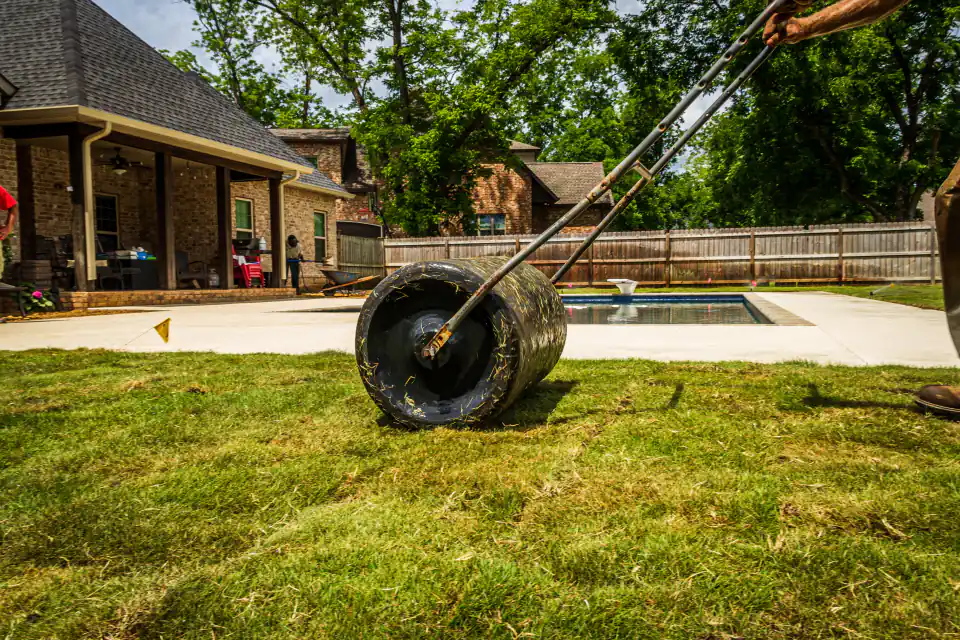
Diagnose before you treat
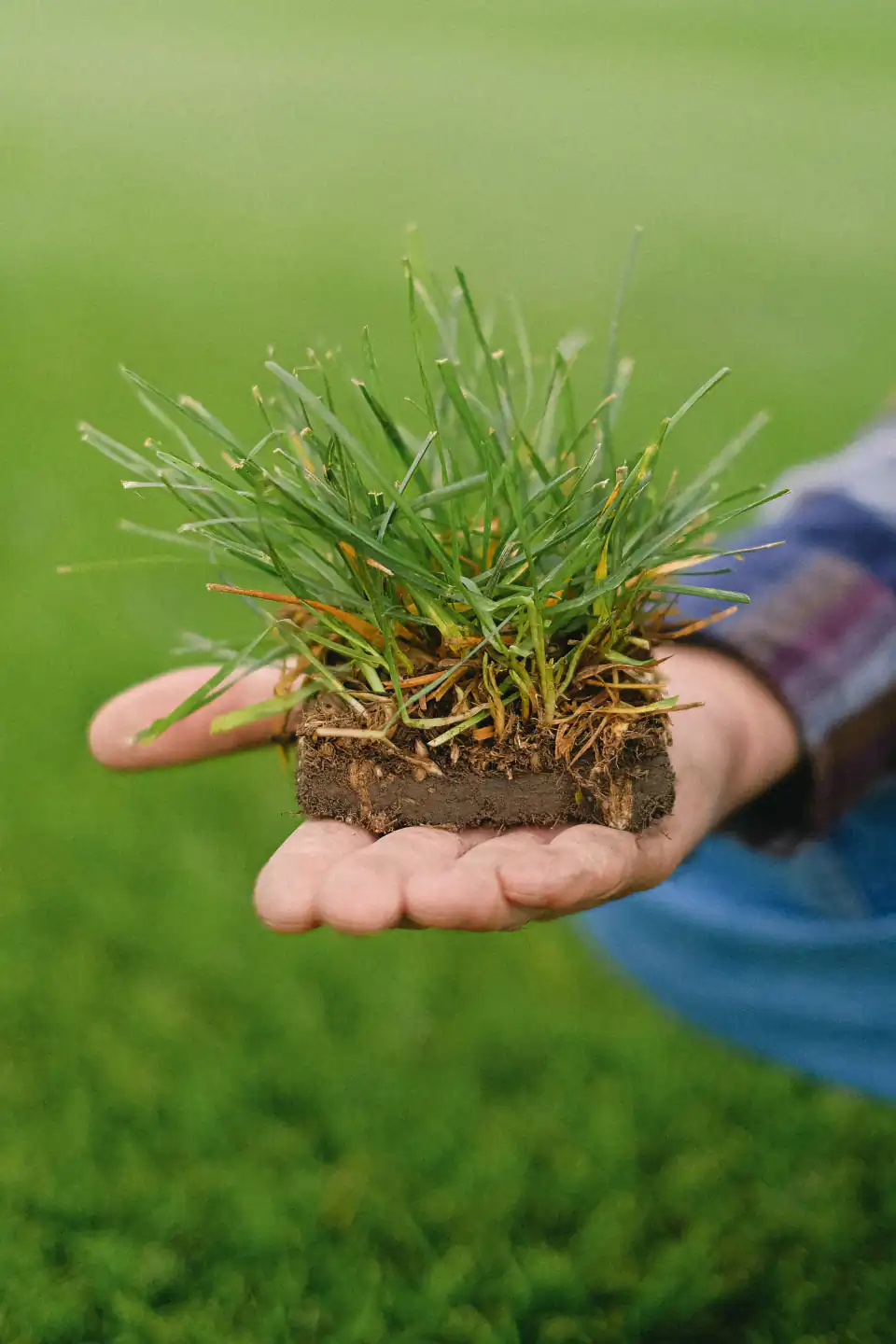
Cut a plug three inches deep and look at where the roots stop. Roots that turn sideways at an inch are telling you the soil below is too dense to enter, and no fertilizer fixes that.
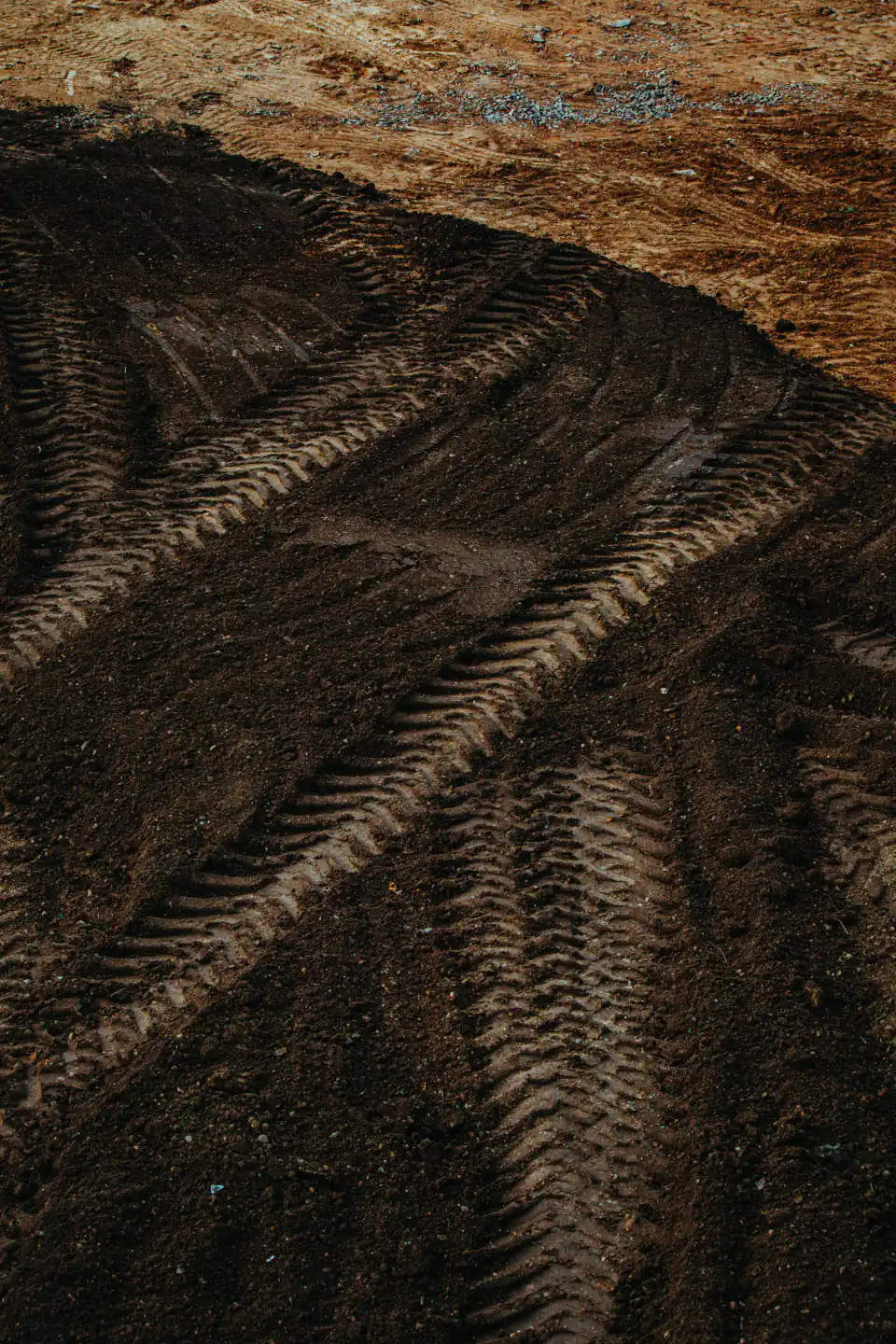
Compaction has causes: vehicles, builder's traffic, a mower on the same line every week, and in new subdivisions the simple fact that the topsoil was scraped off and sold.
Cores, not spikes
A core aerator pulls plugs out and leaves holes. A spike aerator pushes soil sideways and makes compaction worse. They are not alternatives; one of them is the job and the other is a lawn ornament.
Leave the cores on the surface. They break down in two weeks and work as a free topdressing.
Overseed straight into the holes
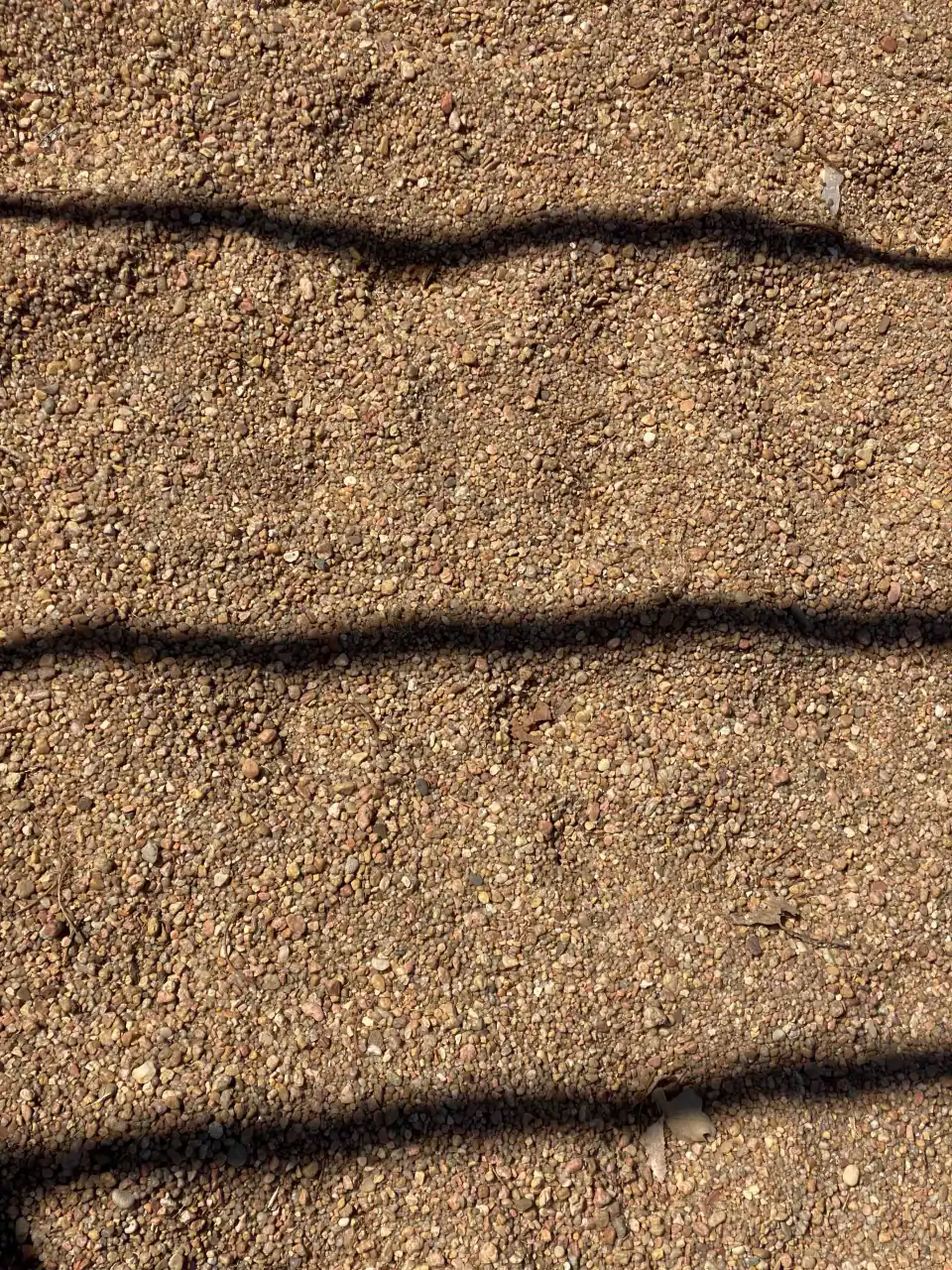
Seed dropped the same day falls into open holes and meets soil instead of thatch. That is most of why aeration and overseeding are sold together: the holes are the seedbed.
Then water lightly and often for two weeks, which is the exact opposite of normal watering advice and the one time shallow and frequent is right.
Common questions
Asked often enough to answer here.
What does core aeration actually do?
When should I aerate in North Carolina?
Should I pick up the cores afterwards?
More guides
Other things worth knowing.
Planning a project? Tell us about it and we will come and look.
Request a quote