Lawn irrigation: how much water, how often, and where it goes wrong
One inch a week including rainfall, delivered in one or two soakings rather than six sprinklings. Almost every irrigation problem in this county is a distribution problem, not a volume problem.
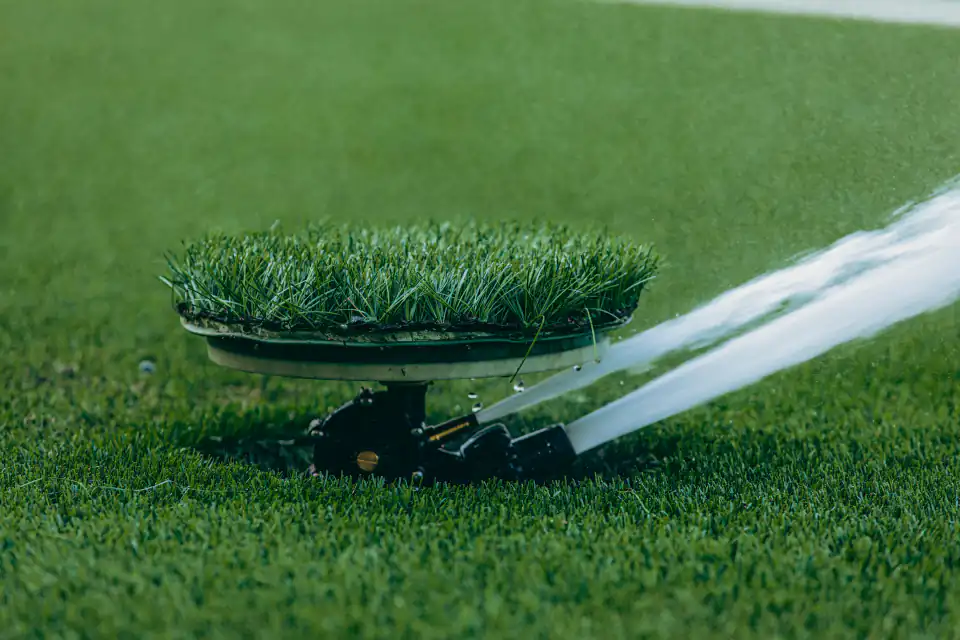
One inch a week, measured not guessed
Put three straight-sided cans (tuna cans work) on the lawn and run the zone for fifteen minutes. Measure what lands. That tells you your zone's actual application rate and how long it needs to run, and it will not be the number on the controller.
The same test shows you distribution. If one can has twice what another has, you have a head spacing or a pressure problem, and no amount of extra run time fixes it; it just drowns the wet end.
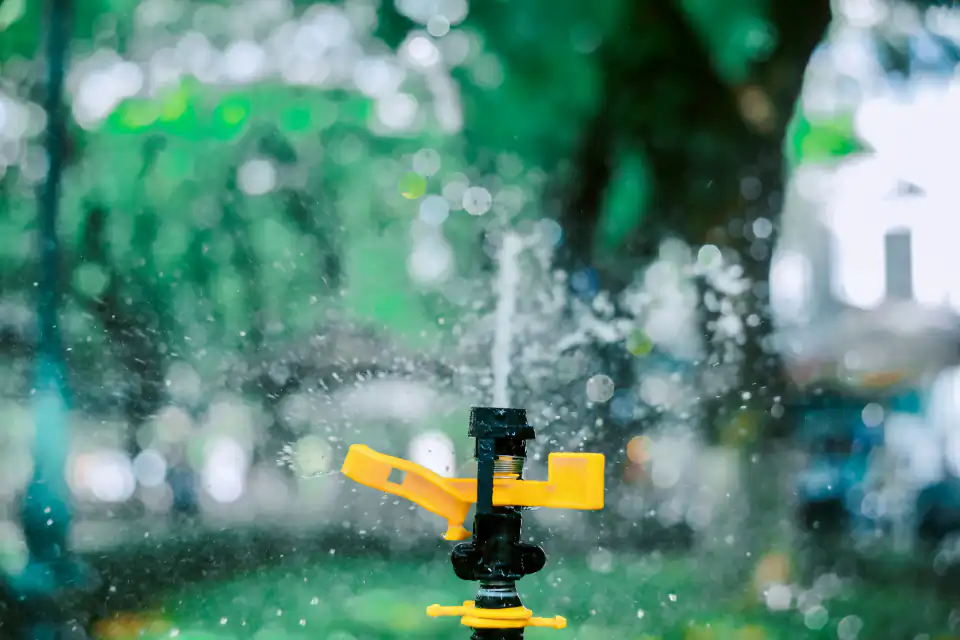

Deep and infrequent beats little and often
Shallow daily watering grows shallow roots, and a shallow-rooted lawn dies in the first week you forget. Two long soakings a week drive roots down to where the moisture lasts.
Water before dawn. Evening watering leaves the blade wet overnight, which in Piedmont humidity is an invitation to brown patch.
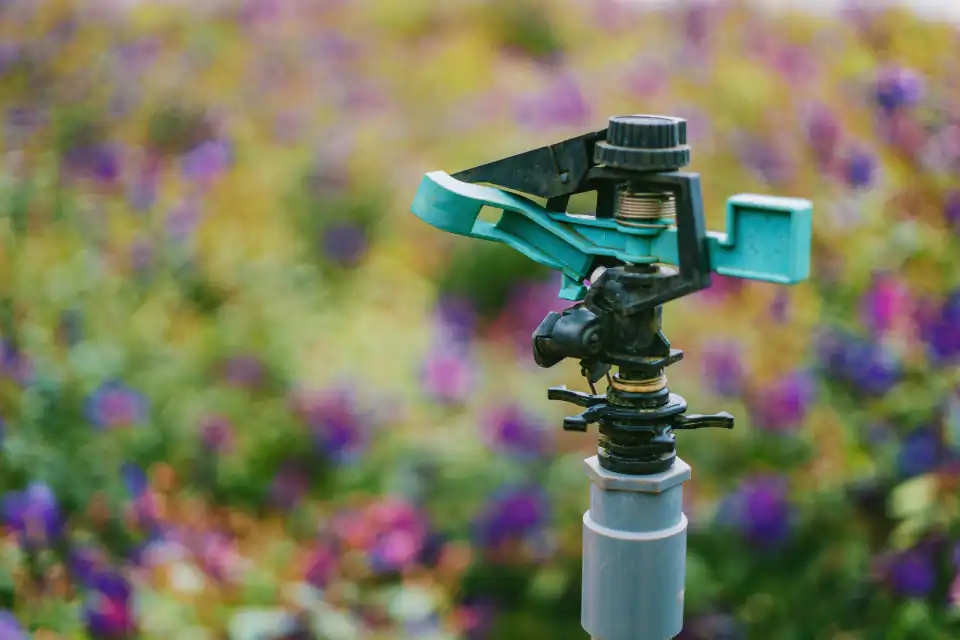

Clay changes the rules
Triangle clay absorbs water slowly and then stops. Run a zone for forty minutes on heavy clay and most of the last twenty runs into the street.
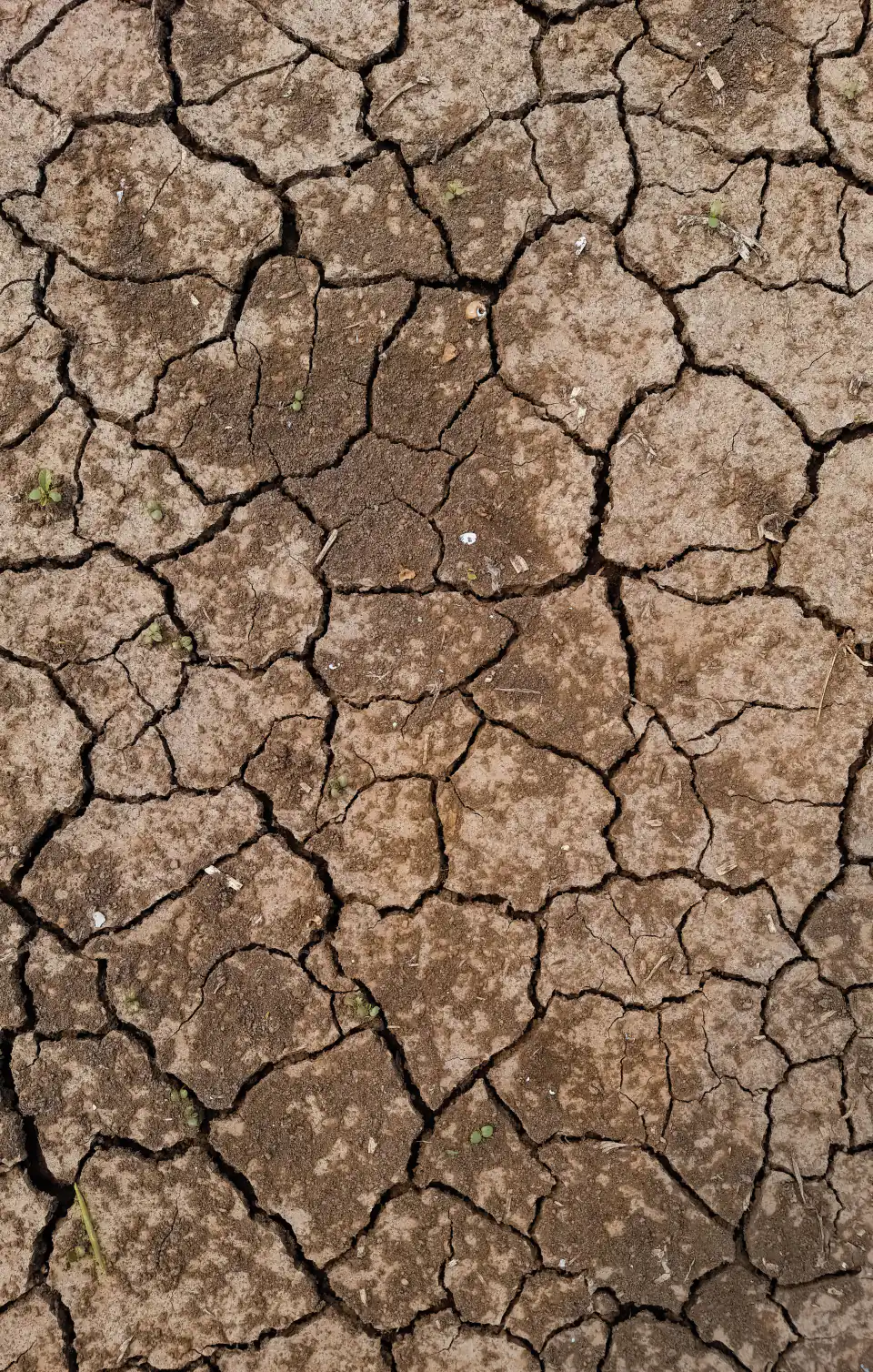
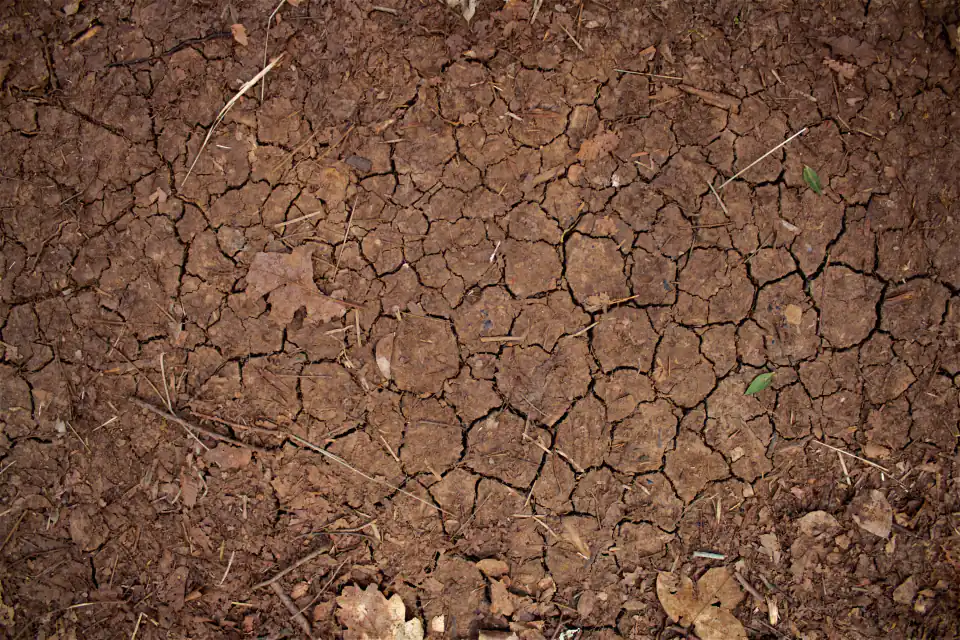
The fix is cycle-and-soak: three short runs with half an hour between, which puts the same water down at a rate the soil can take. When clay dries it cracks, and water then runs down the cracks past the root zone entirely, which is why a lawn can be watered and still be dry.
Common questions
Asked often enough to answer here.
How much should I water my lawn?
What time of day should I water?
Why is my lawn dry when the sprinklers run every day?
More guides
Other things worth knowing.
Planning a project? Tell us about it and we will come and look.
Request a quote