Home / Guides / How often to mow
How often should I mow my lawn in North Carolina?
Short answer: weekly from March to June, then it depends entirely on which grass you have. The Triangle sits in the transition zone, which means half the lawns here want the opposite treatment to the other half.
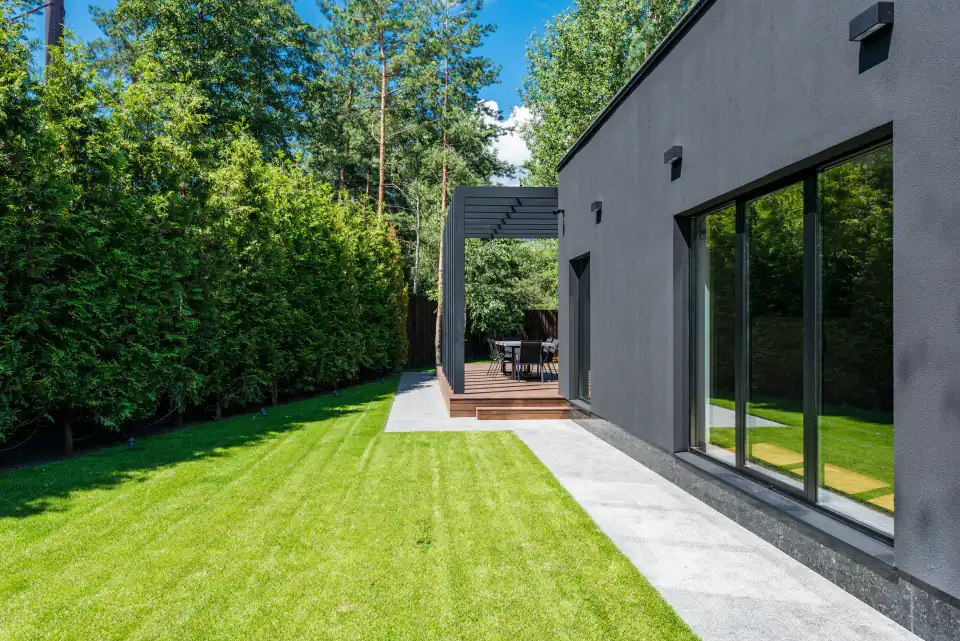
The honest answer is a rule, not a number
Never remove more than a third of the blade in one cut. That single rule sets your frequency, because it means the interval is whatever keeps you inside it, and that changes through the year.
A fescue lawn held at 3.5 inches is cut when it reaches about 5. In an April growth flush that is five or six days. In August, when fescue is barely growing, it can be three weeks. Cutting a dormant lawn on a weekly schedule because the schedule says so does damage and costs you money.
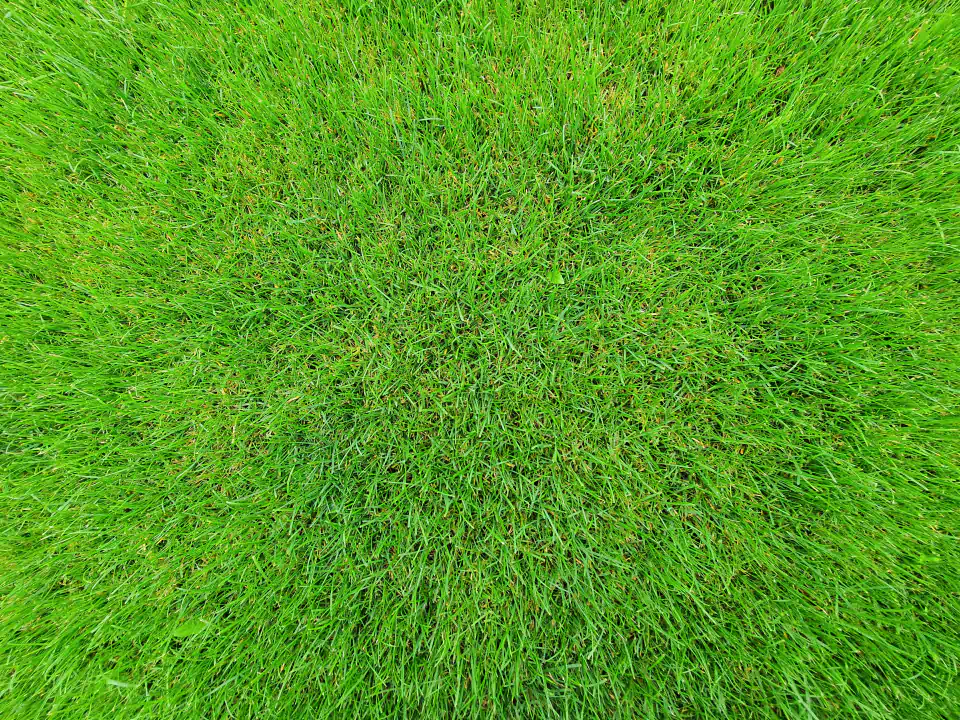
Fescue, which is most Triangle lawns
Tall fescue is a cool-season grass. It grows hard in spring and autumn and suffers in July and August. Hold it at 3.5 to 4 inches through summer: the taller blade shades its own roots and the soil underneath, which is the cheapest drought protection available.
Weekly March through June. Every other week, or on demand, July and August. Weekly again from September once it wakes up, right through the leaf season.
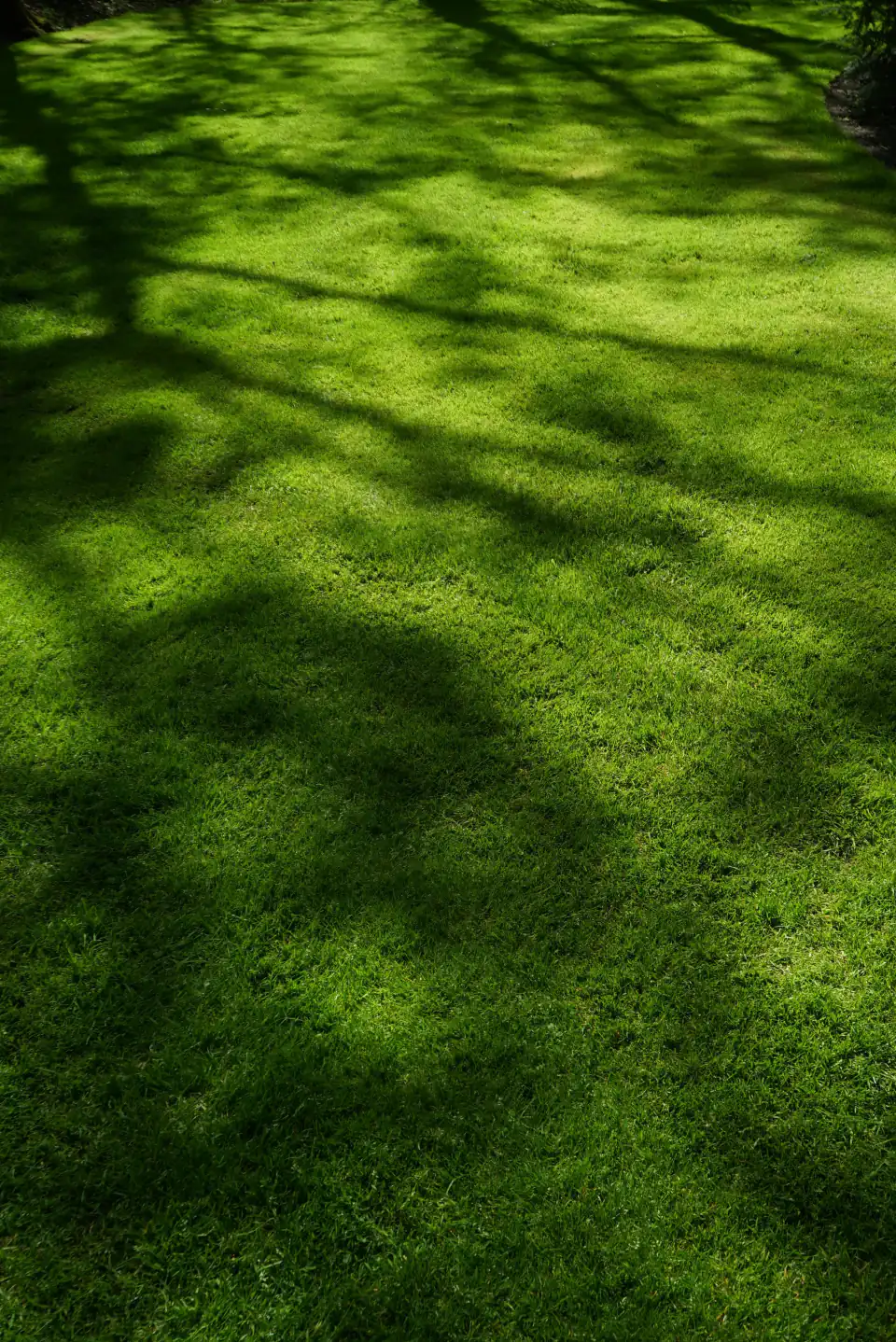

Bermuda and zoysia, which is the newer subdivisions
Warm-season grasses do the opposite. They sleep until the soil warms, then grow hardest in exactly the heat that flattens fescue. Bermuda is cut short (1 to 2 inches) and cut often, because at that height a third of the blade is not much.
Weekly minimum from May to September, and a bermuda lawn being pushed with fertilizer and water genuinely wants cutting every five days. Dormant and brown from November to March, and cutting it then achieves nothing.
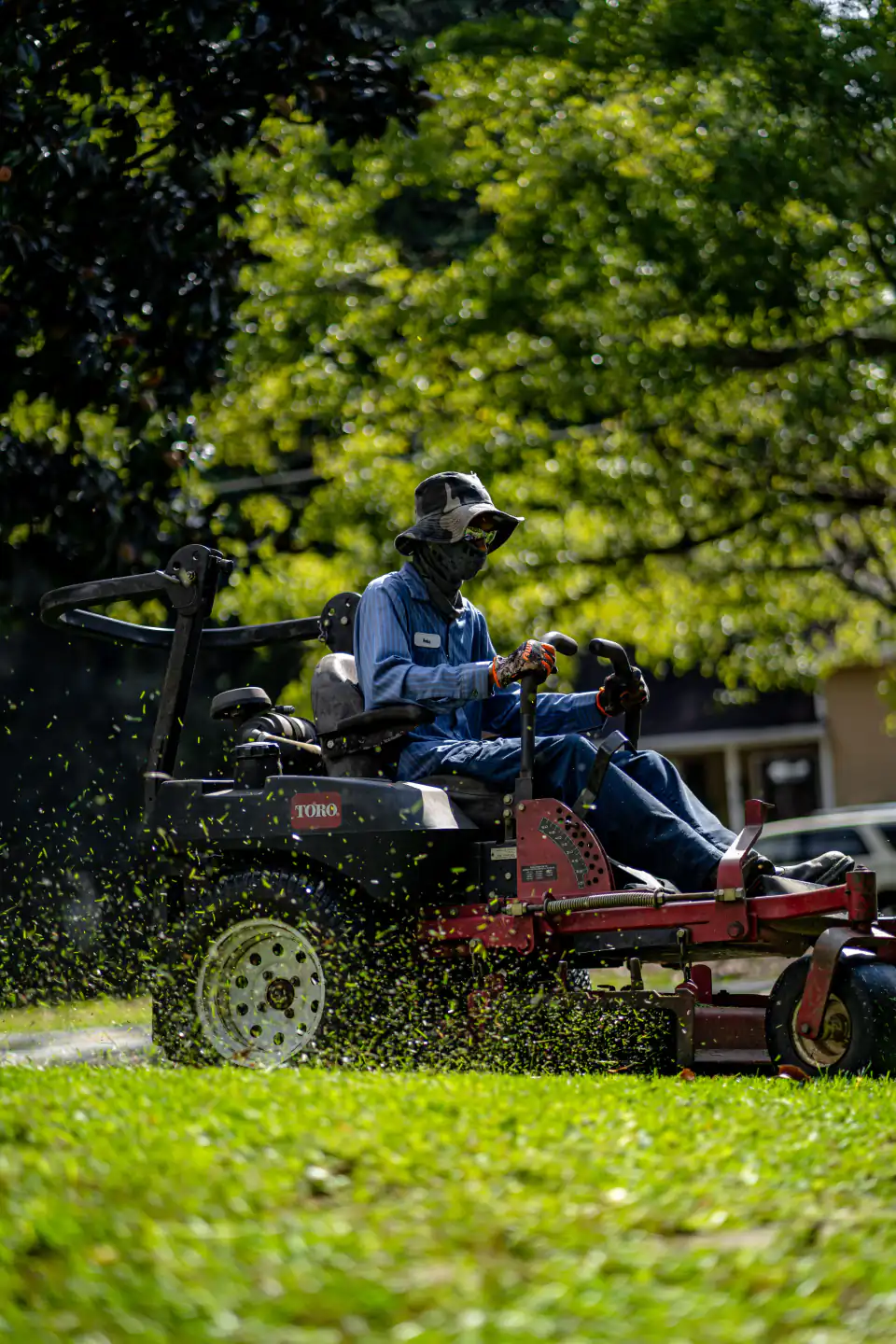
What actually takes the time
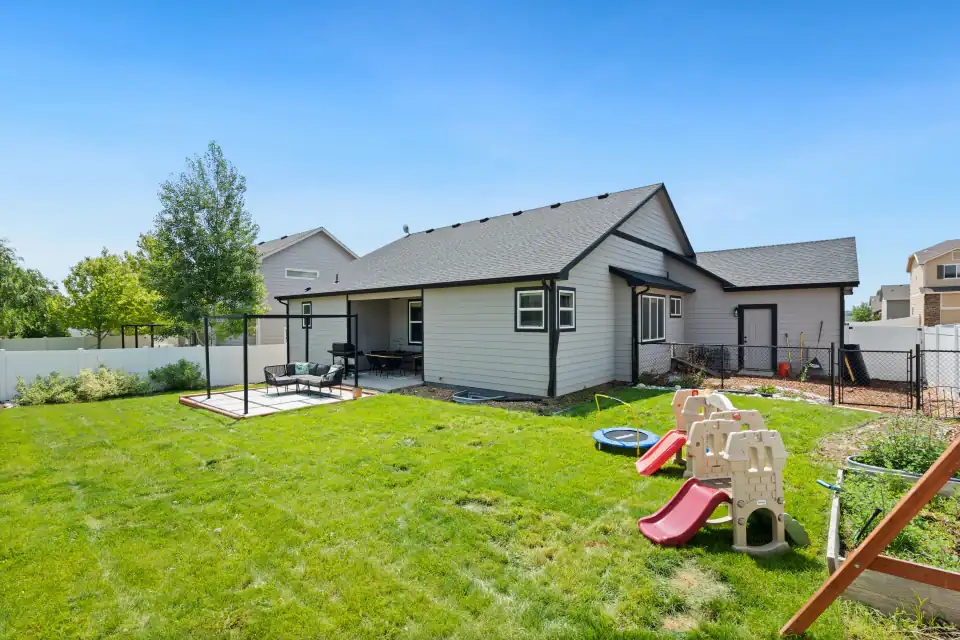
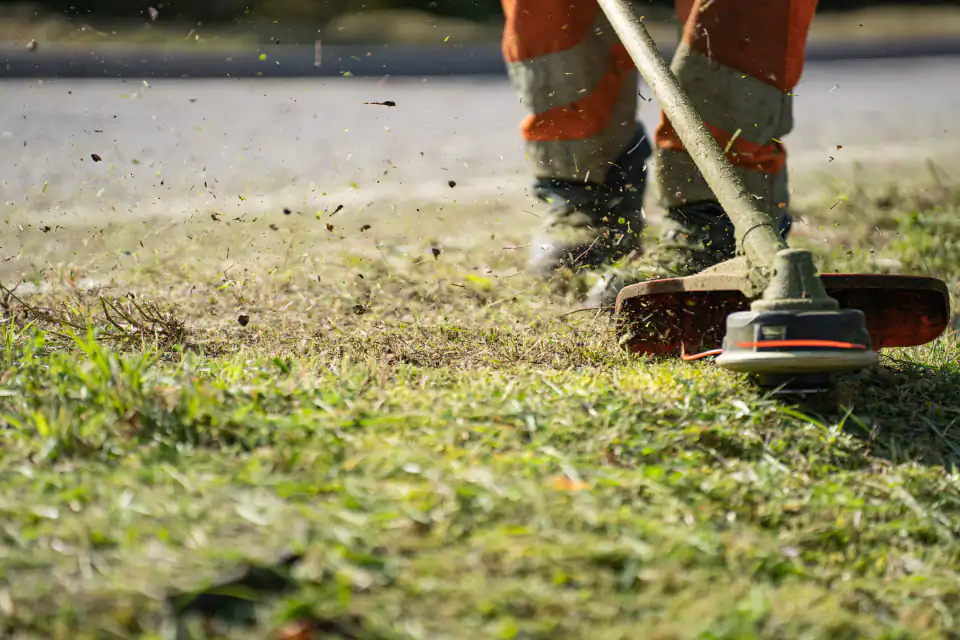
On a quarter-acre lot the mowing is the quick part. The trimming, the edge and the blow-down are usually more than half the visit, which is why a price per cut tracks square footage of turf and not the size of the property.
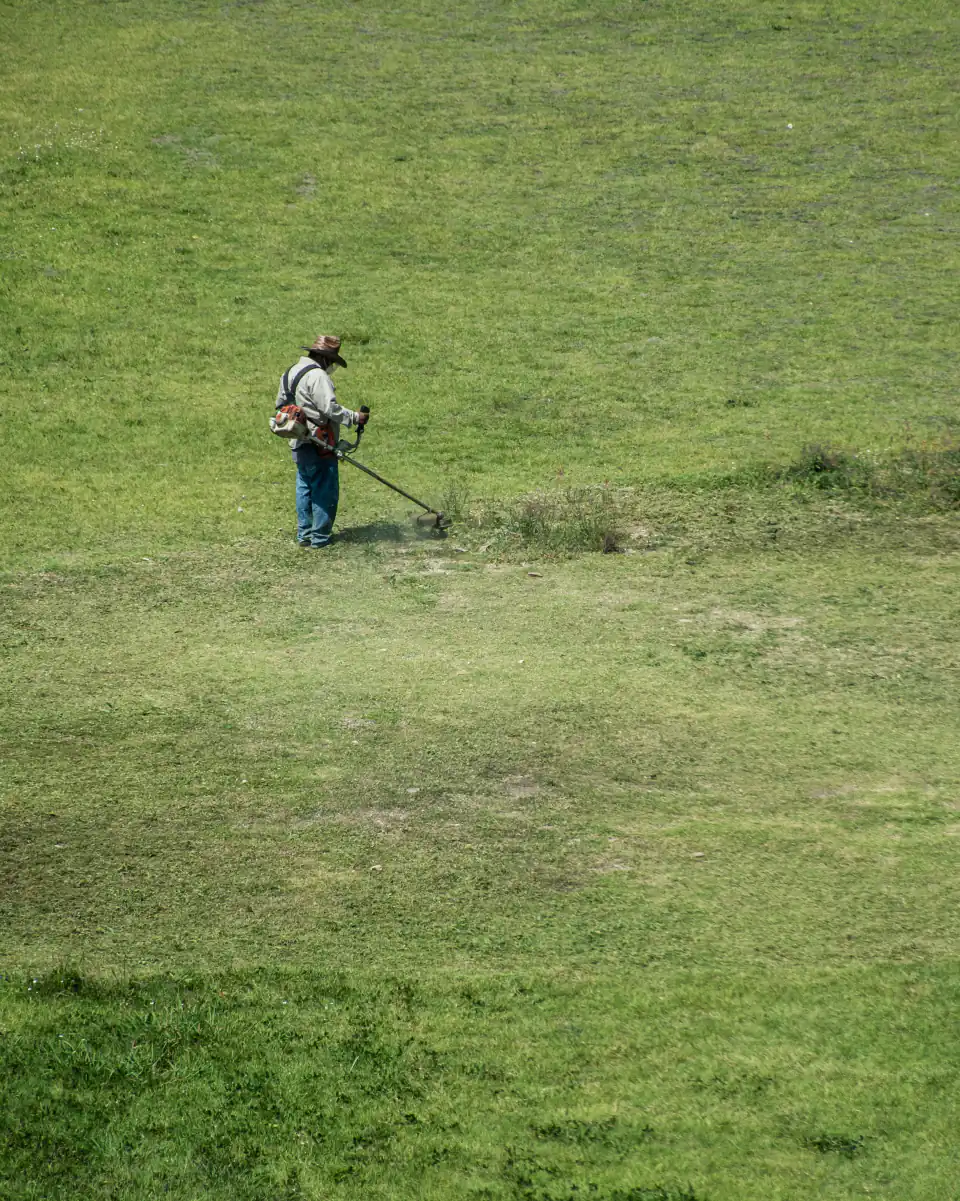
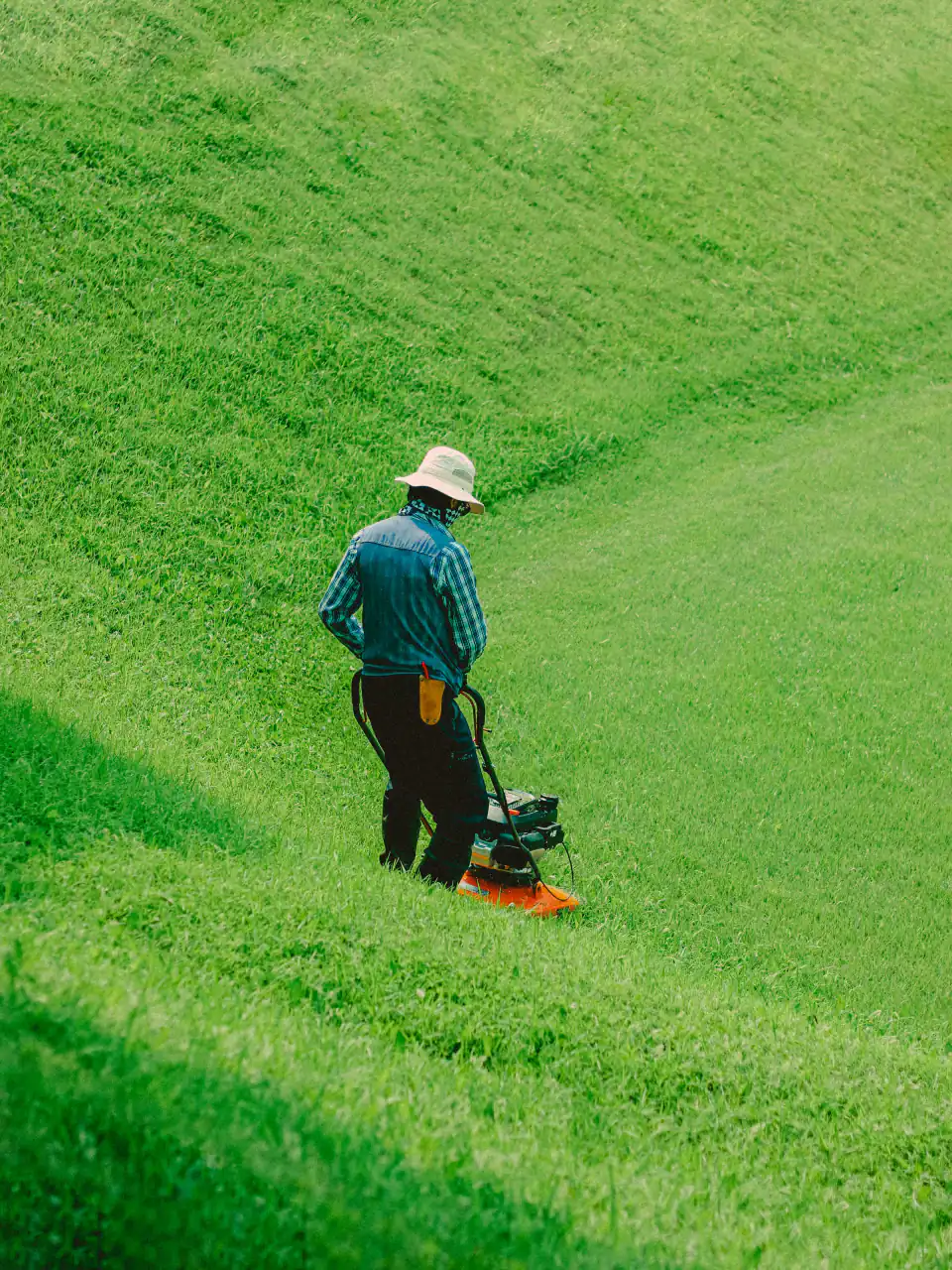
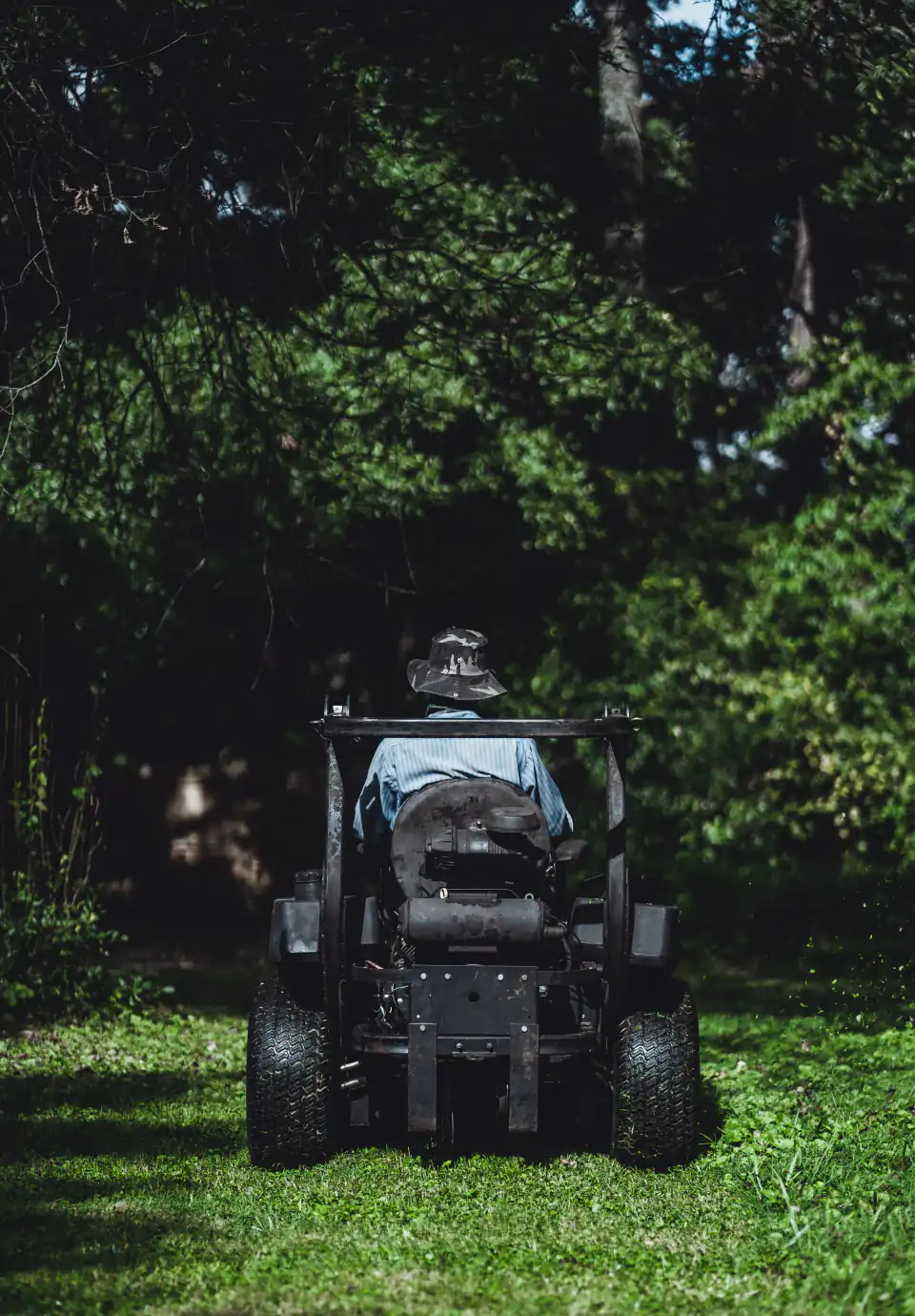
On acreage it inverts completely. Open ground goes fast on a zero-turn; it is the fence lines, the bank the mower cannot climb and the trees you have to go round that set the hour.
Things that change the number
Shade slows growth and raises the cut height. Irrigation speeds growth and raises the frequency. A lawn you fertilize is a lawn you mow more; that is the trade you are making.
After heavy rain a heavy mower on soft ground does more harm than a missed week. A crew that skips your Tuesday after four inches of rain is making the right call.
Common questions
Asked often enough to answer here.
How often should I mow my lawn in the Triangle?
What height should I cut fescue?
Is it bad to mow wet grass?
Should I bag or mulch the clippings?
More guides
Other things worth knowing.
Planning a project? Tell us about it and we will come and look.
Request a quote