Home / Guides / Lawn care calendar
A lawn care calendar for the North Carolina Piedmont
What to do and, just as usefully, what not to bother with. Month by month, for the two grasses that actually grow here.
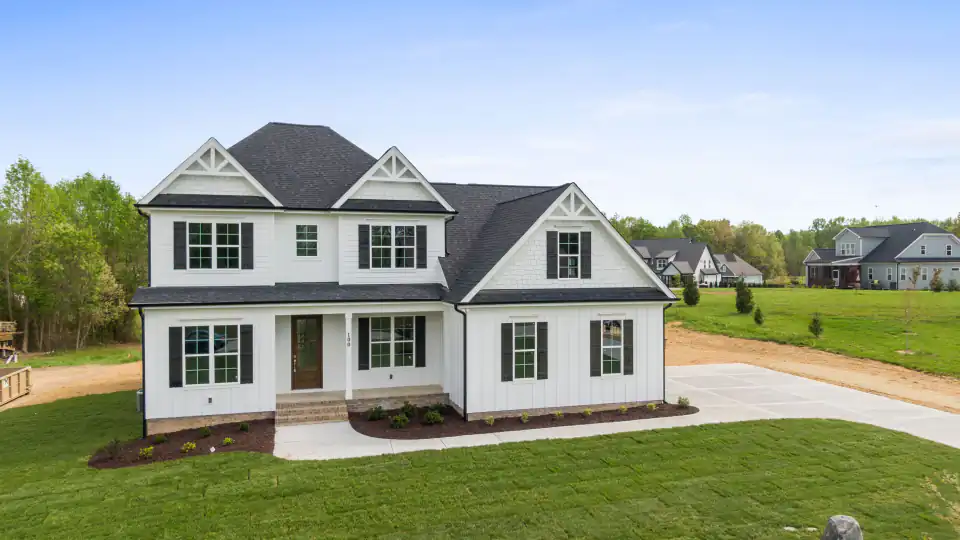
Late winter: the most important six weeks
Pre-emergent goes down before crabgrass germinates, not after. The trigger is soil temperature holding around 55°F at a couple of inches deep, which in the Piedmont is usually somewhere in February or early March depending on the year. Watch the weather, not the calendar.
Miss that window and you spend the rest of the year treating weeds you could have prevented. It is the single highest-return job in the lawn year and it takes one visit.
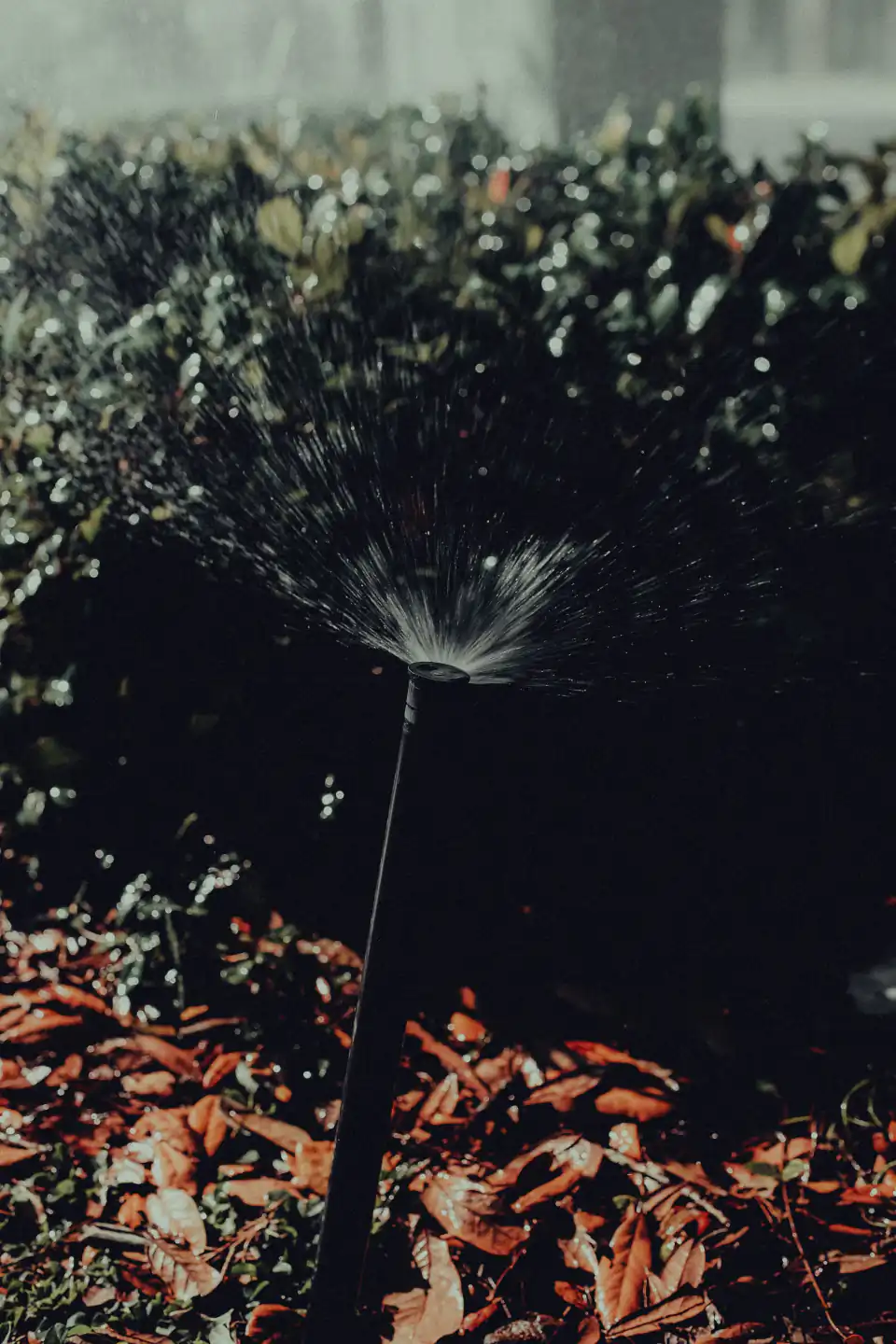
Spring: growth, and the temptation to over-feed
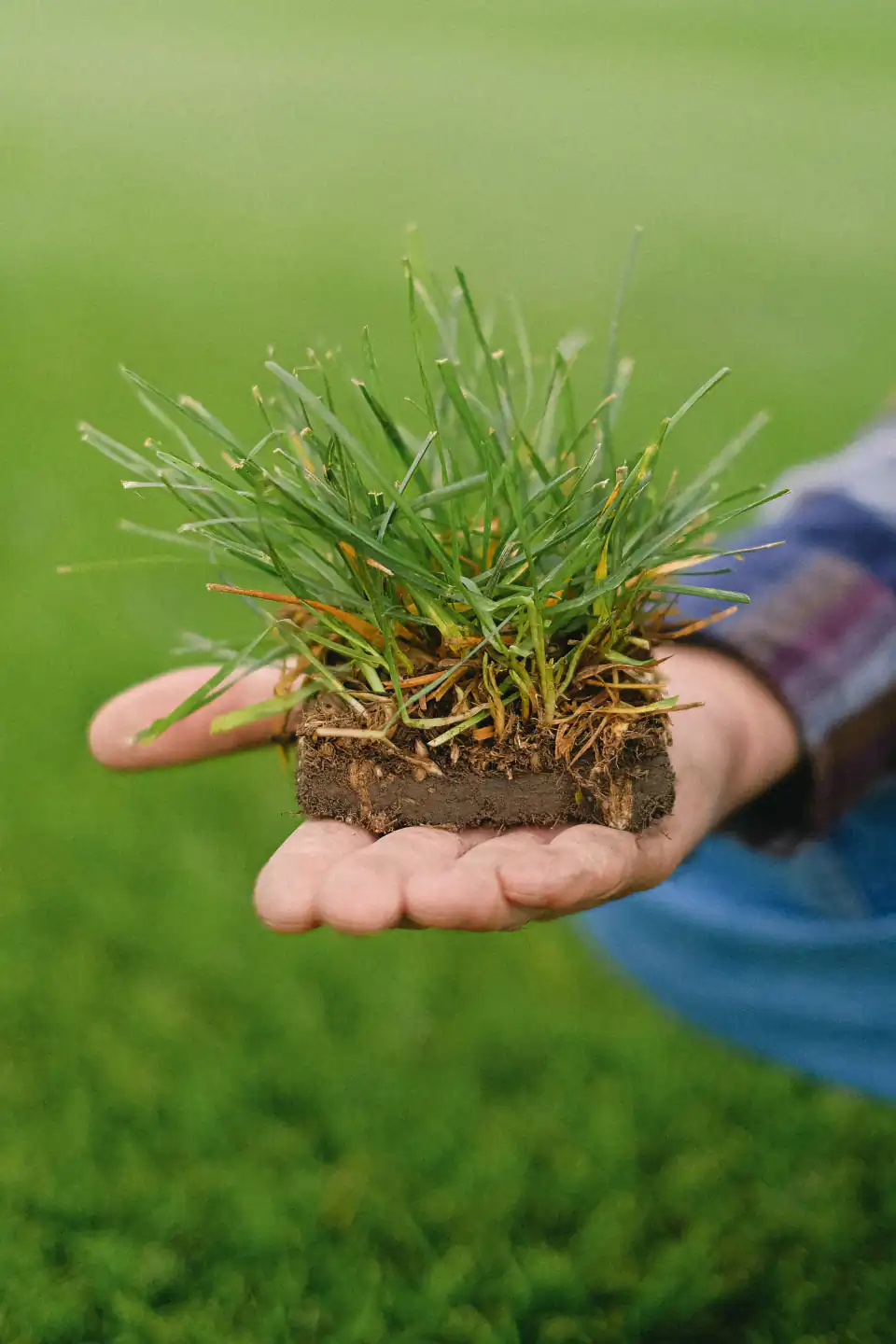
Fescue is growing hard, and a heavy spring feed makes it grow harder into the summer that is about to hurt it. Feed fescue lightly in spring, if at all; its real meal is in autumn.
Bermuda is the reverse. It wakes as the soil warms and spring is when you start pushing it.
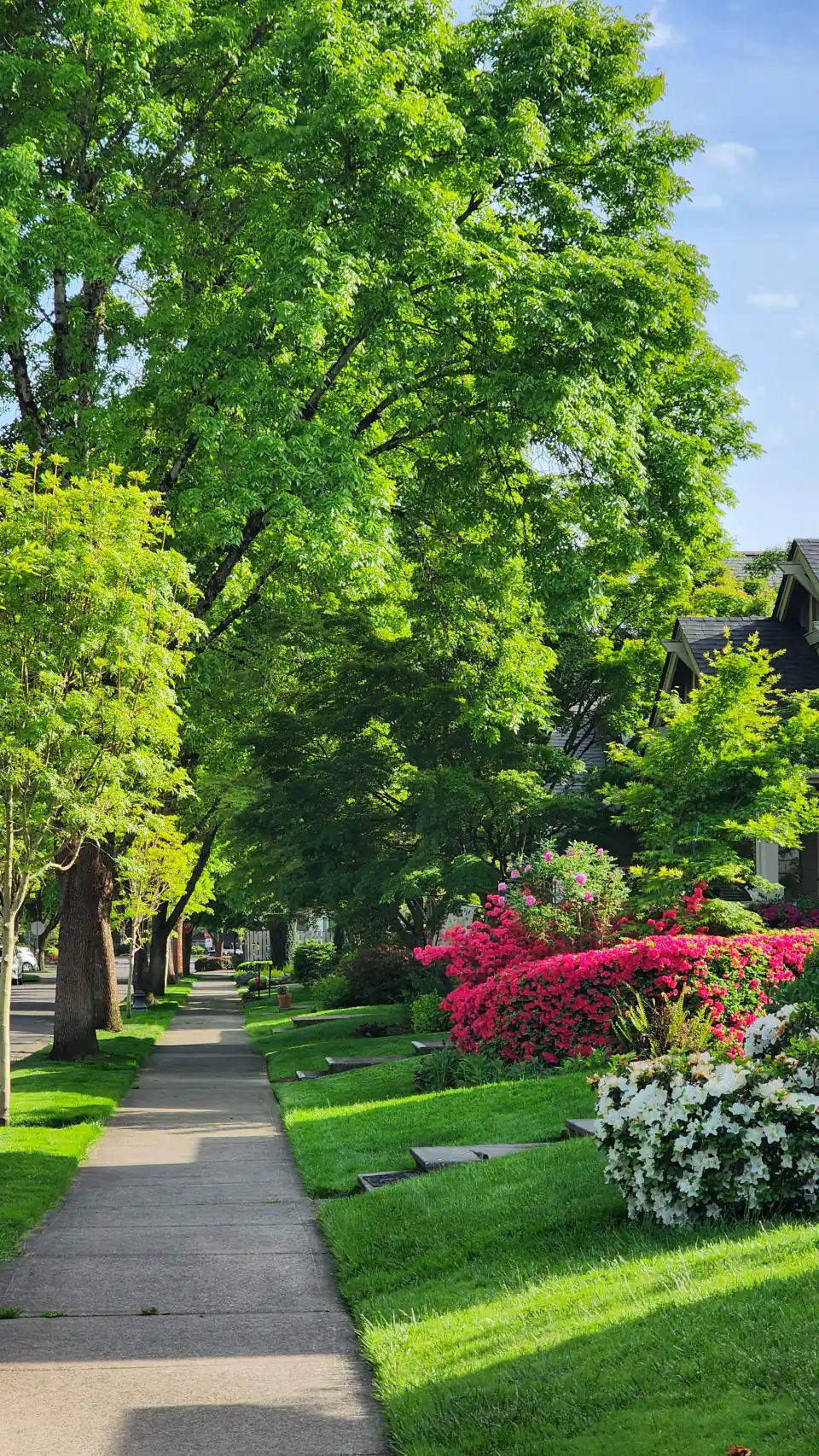
Summer: do less
Raise the cut. Water deeply and rarely. Expect fescue to look tired in August and resist the urge to fix it with fertilizer, which mostly feeds disease in humid heat.
This is the right season for hardscape work, irrigation repairs and anything that involves digging, precisely because the lawn is not doing much.
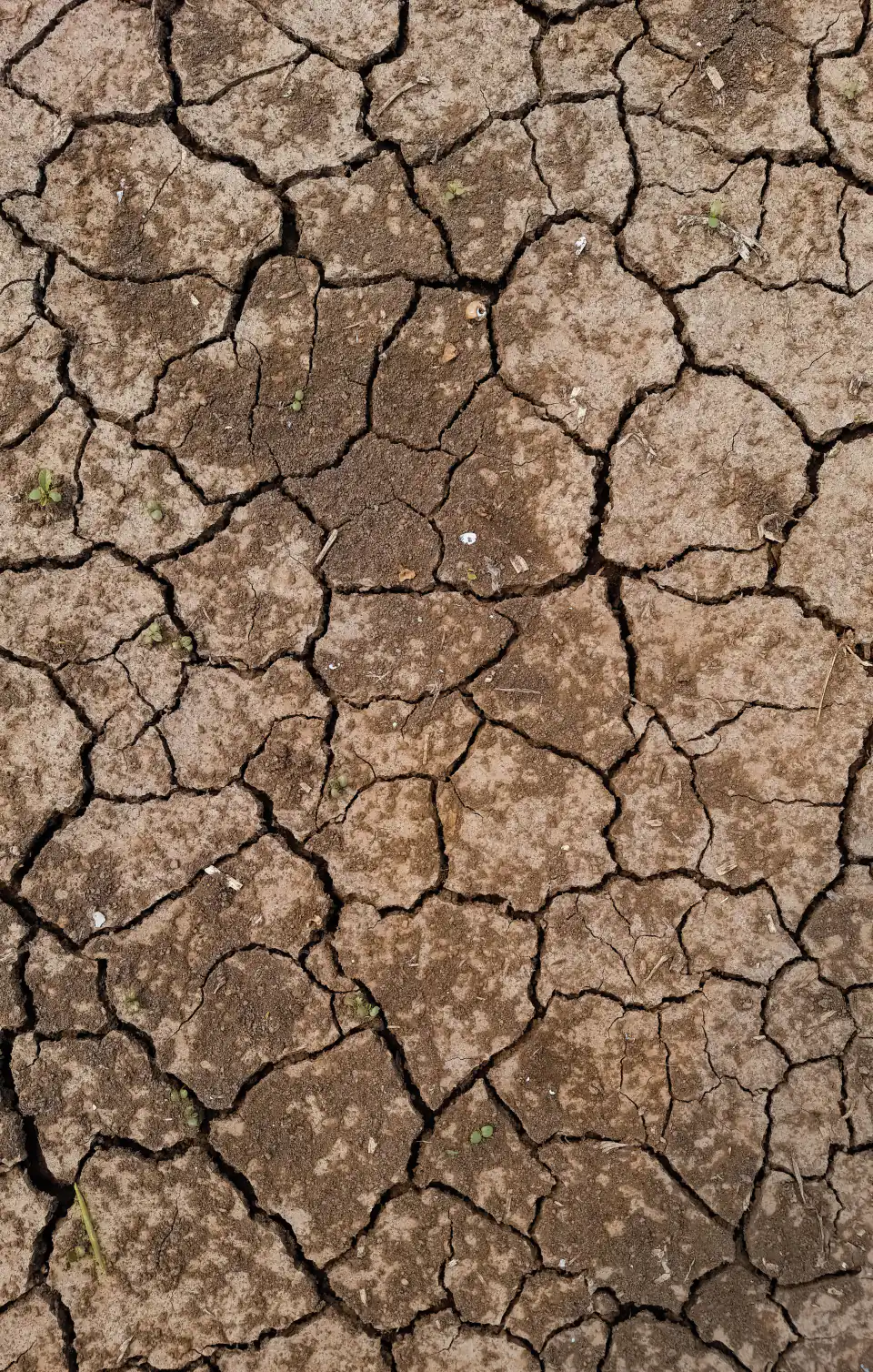
Autumn: the real growing season here
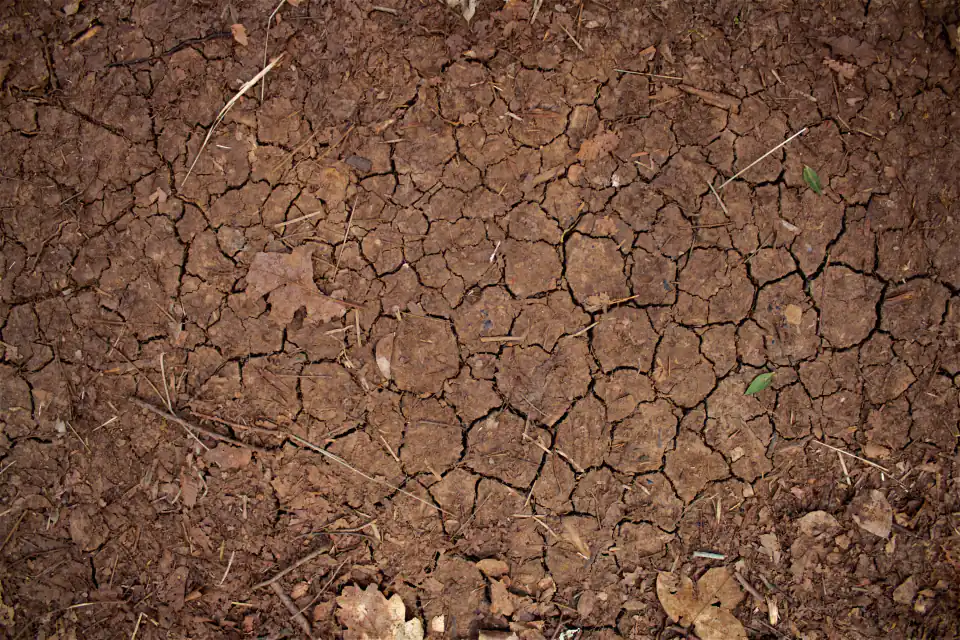
Everything that makes a fescue lawn good happens between September and November. Core aeration, overseeding and the heavy feed all go in now, while the soil is still warm and the air is not.
A second pre-emergent in autumn stops the winter annuals that make a lawn look scruffy in February.
Winter: leaves, and leaving it alone
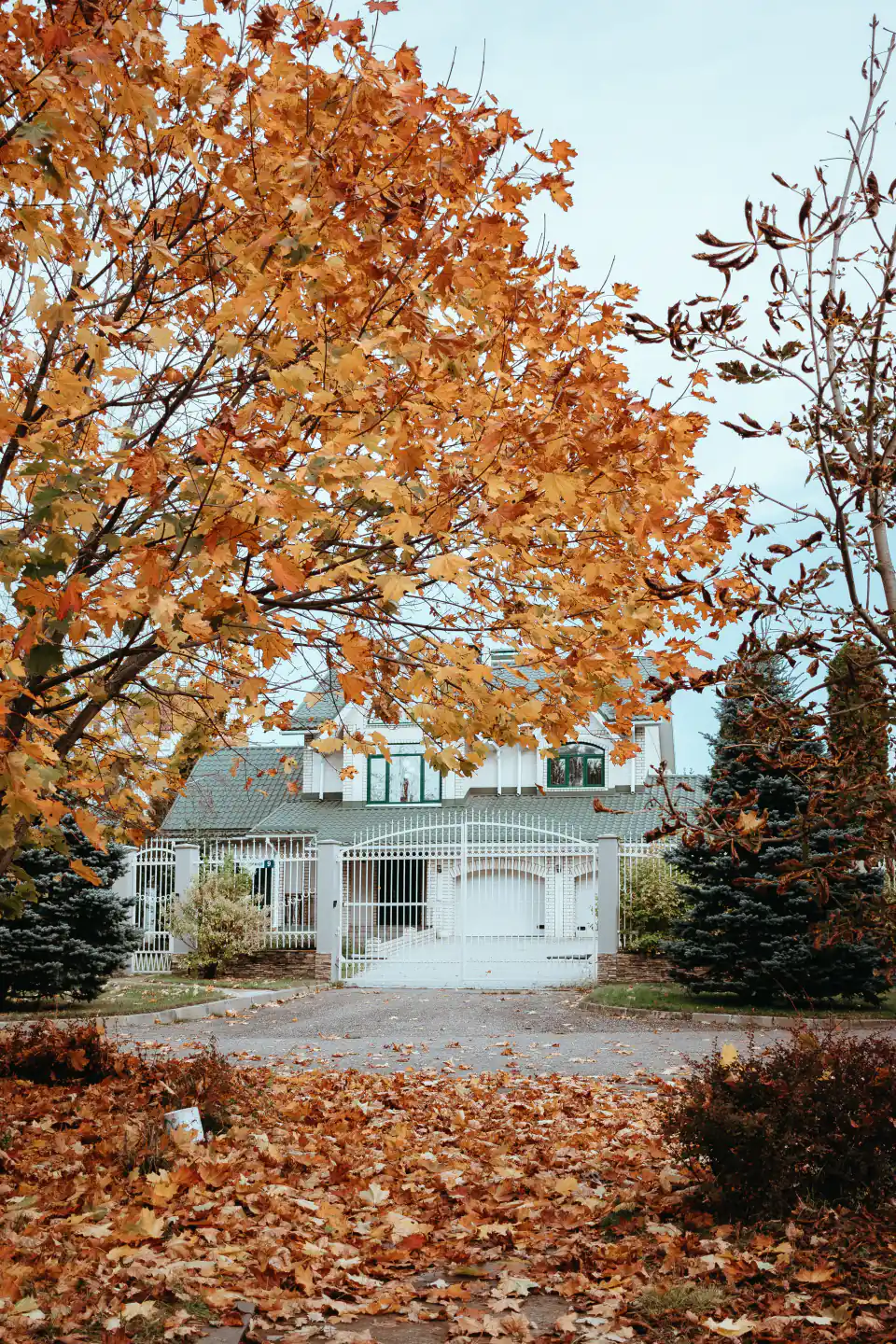
Leaves off the turf before they mat. Beyond that, a dormant lawn wants no traffic and no cutting.
It is the season for pruning most woody plants, for hardscape builds, and for getting a grounds contract signed before the spring rush decides your schedule for you.
Common questions
Asked often enough to answer here.
When should I put down pre-emergent in North Carolina?
When is the best time to aerate and overseed fescue?
Why does my fescue look terrible every August?
More guides
Other things worth knowing.
Planning a project? Tell us about it and we will come and look.
Request a quote