Leaf removal: why it matters more than it looks
Leaves left on turf through a Piedmont winter do not quietly compost. They mat, they hold water against the crown, and they come off in spring with the grass underneath them.
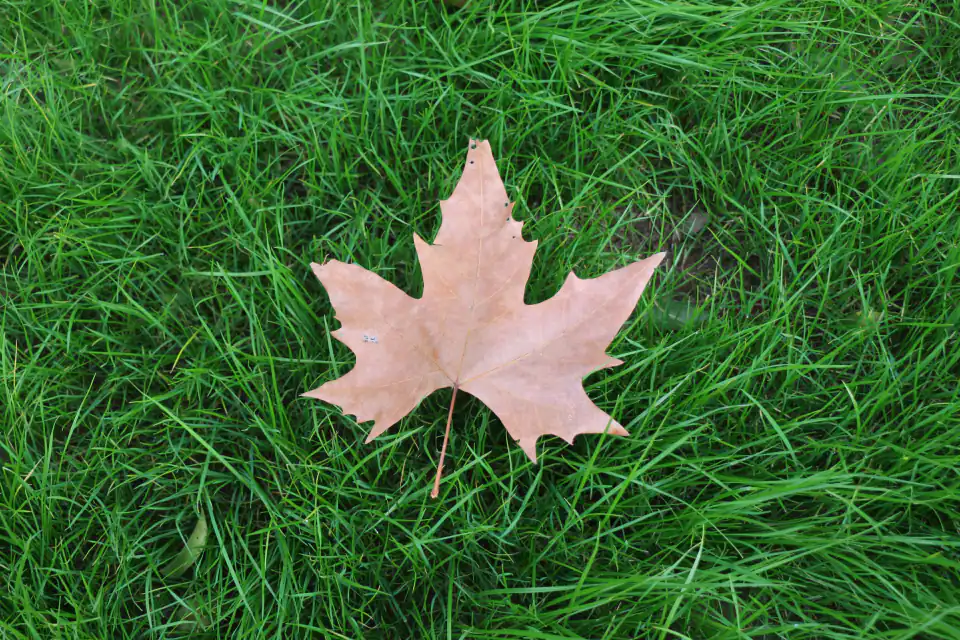
What a mat of leaves actually does
A wet leaf layer blocks light and traps moisture at the soil surface. Under it the grass etiolates, then rots, and snow mold and other winter diseases get the conditions they want.
The damage is not visible until March, by which point the repair is overseeding rather than raking.
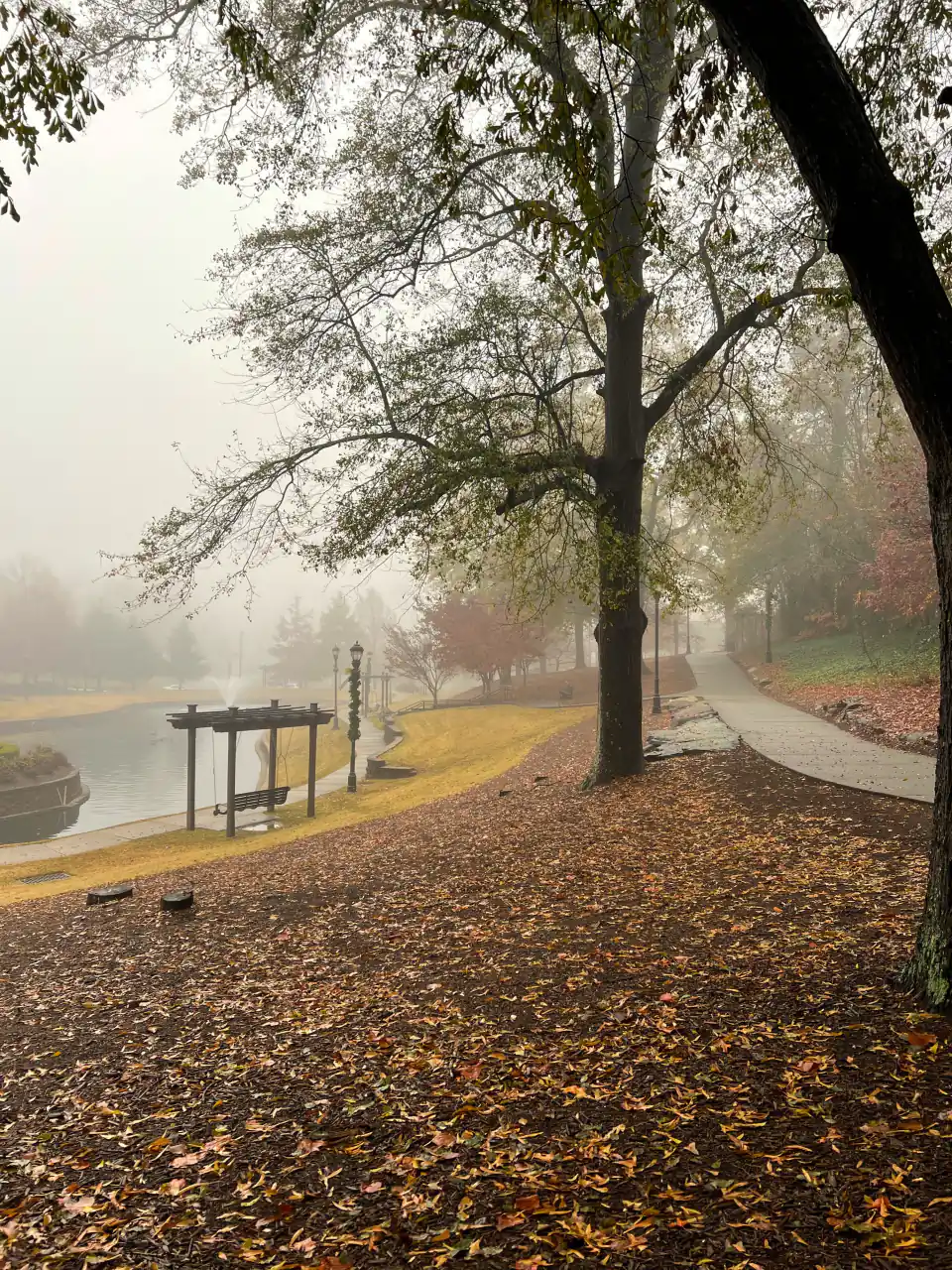
More than one pass, and that is not upselling
Hardwoods in this county do not drop together. Oaks hold on for weeks after the maples are done, and a single clearance in November means a second carpet in December.
Two or three passes through the season is the honest answer for a property with mature trees. One pass is cheaper and leaves you with a problem in February.
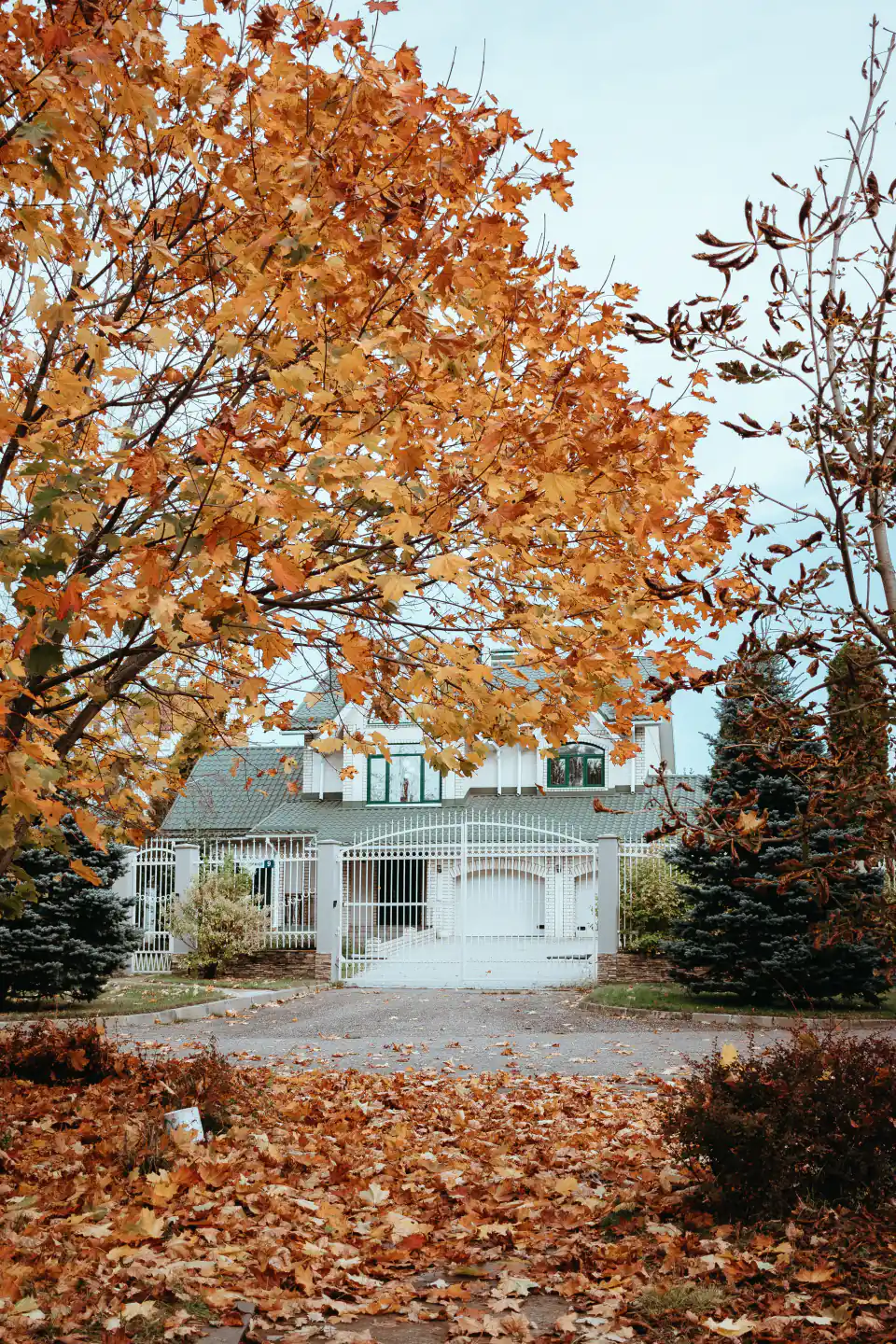
Where it goes
Mulching leaves back into the lawn with a mower works well up to a point: roughly a thin scatter. Past that there is simply more material than the turf can absorb and it has to come off.
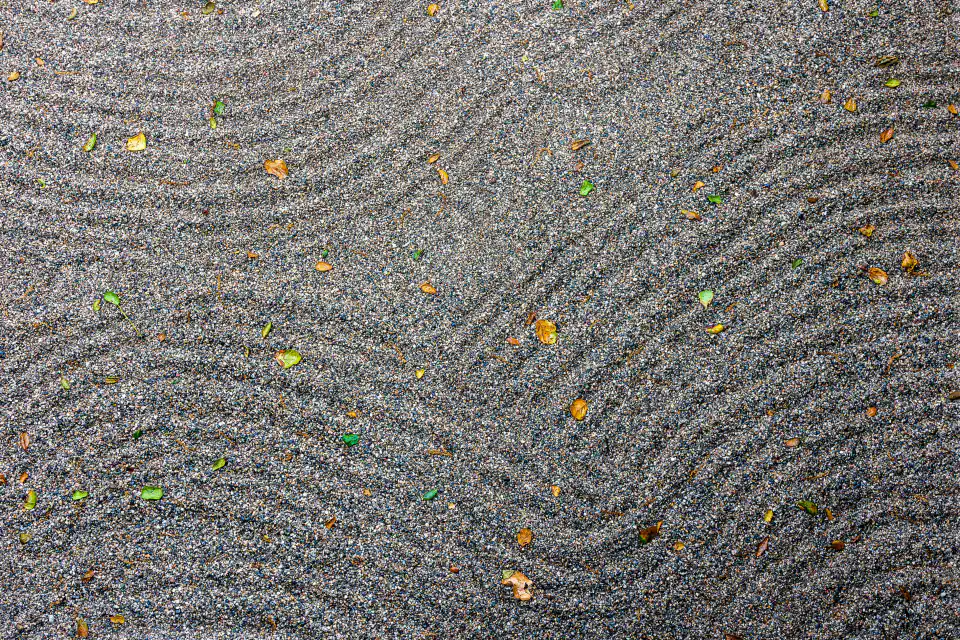
On gravel and in rock beds leaves have to be blown rather than raked, or the stone leaves with them.
Common questions
Asked often enough to answer here.
Do I really need to remove leaves from my lawn?
How many leaf clean-ups does a property with big trees need?
Can I just mulch the leaves with the mower?
More guides
Other things worth knowing.
Planning a project? Tell us about it and we will come and look.
Request a quote