Mulch: which kind, how deep, and the mistake that kills trees
Two to three inches, never against a trunk or a stem. Everything else is preference and budget.
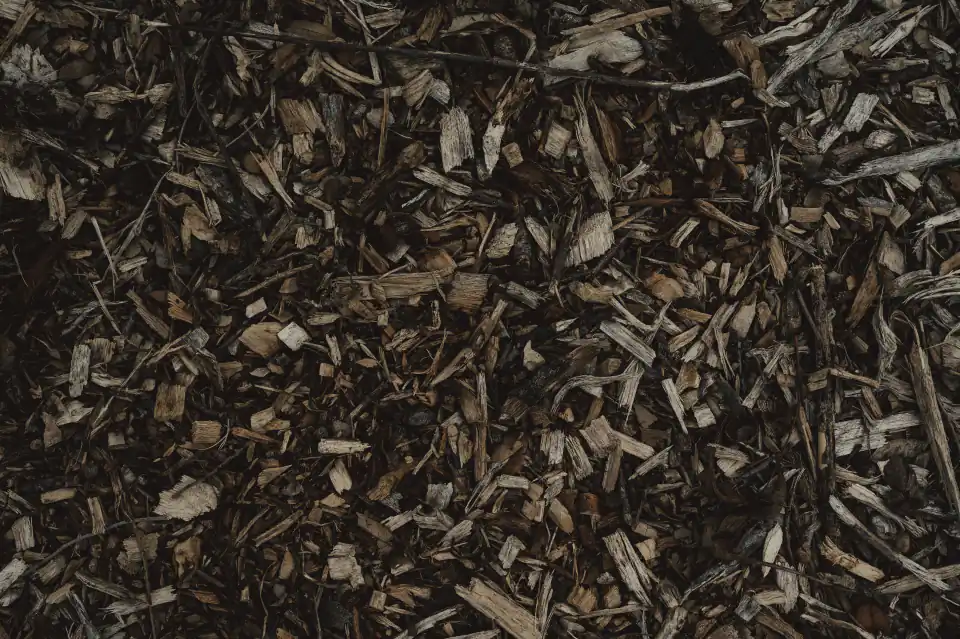
Depth, and why more is not better
Two to three inches suppresses weeds and holds moisture. Four or more starts shedding water rather than absorbing it, and roots come up into the mulch layer looking for air.
Mulch settles. Topping up an inch each spring is normal; stripping and replacing every year is not.
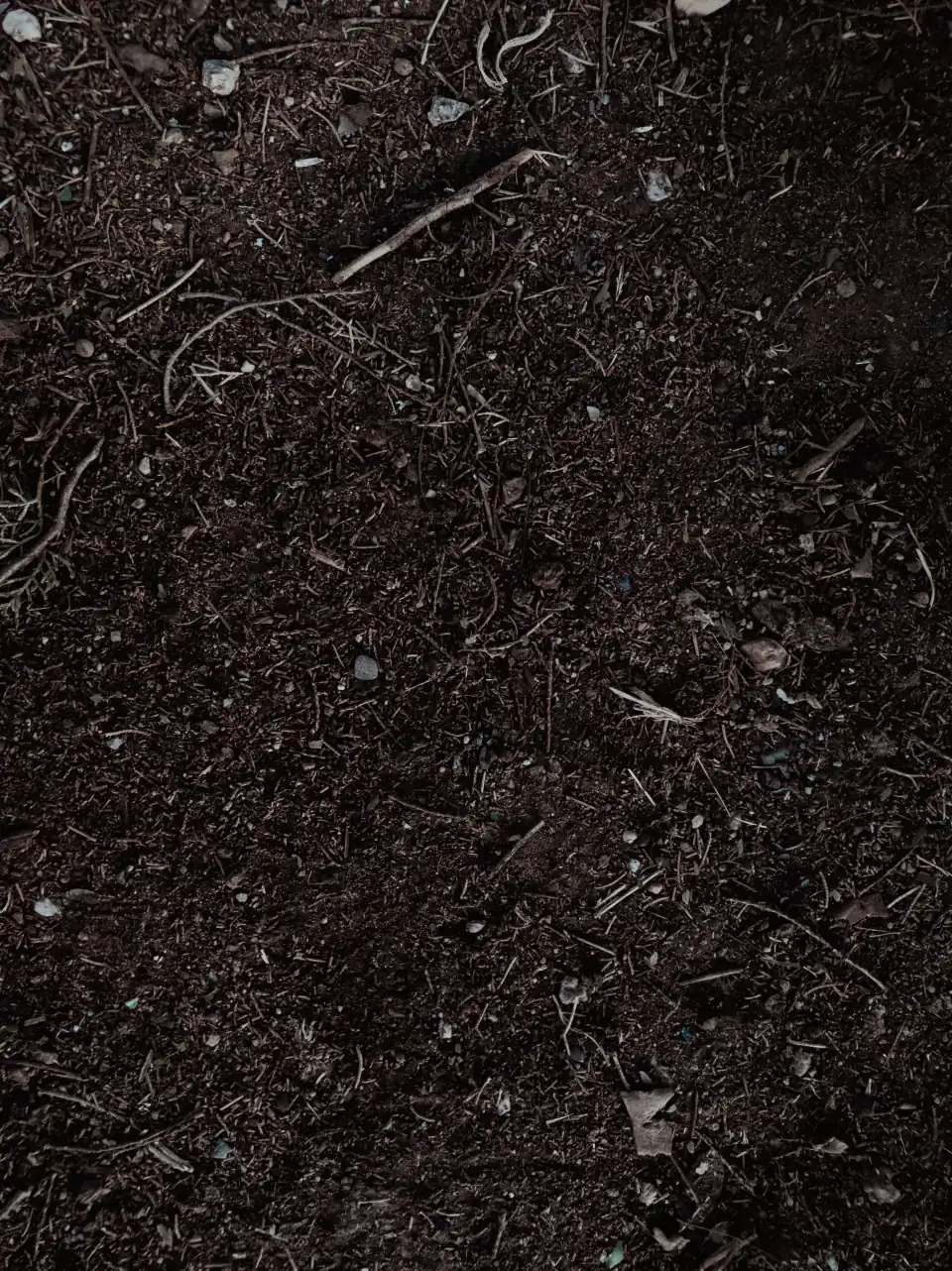
The volcano, and what it does
Mulch heaped against a trunk keeps the bark permanently wet. Bark that stays wet rots, and the tree dies slowly enough that nobody connects the two events.
Pull it back and leave the flare of the trunk visible. A proper mulch ring is a doughnut, not a cone.


Which material
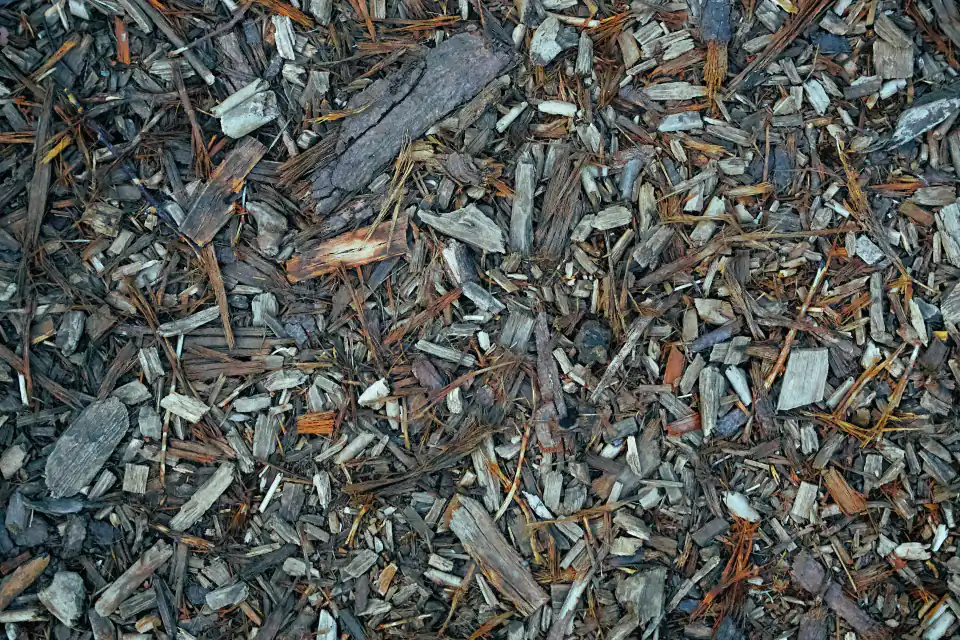
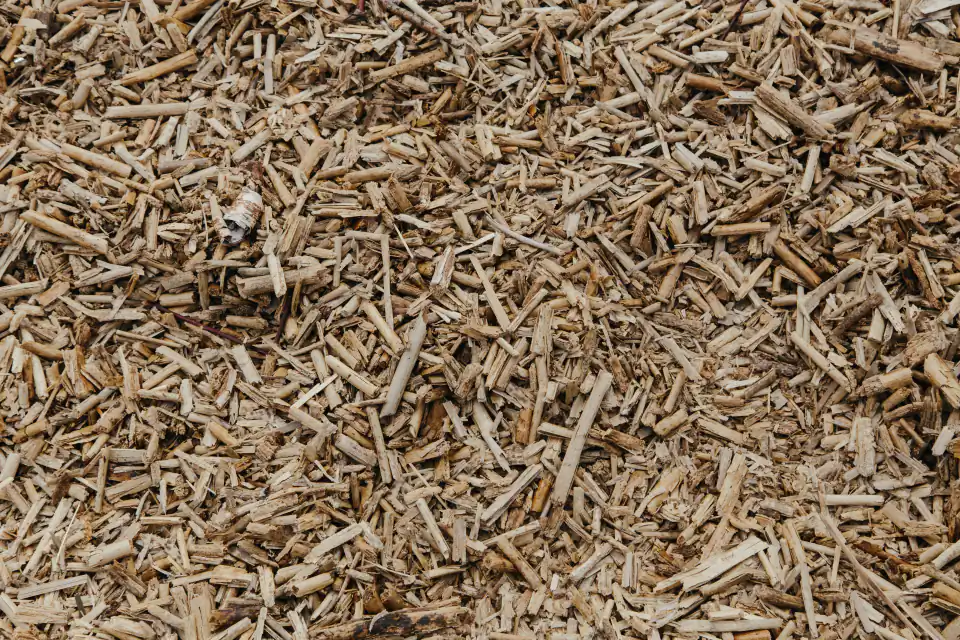
Shredded hardwood knits together and stays on a slope. Nuggets float. Arborist chip is cheap, coarse and ideal on paths but wrong in a front bed. Pine straw knits well, costs less, and needs topping annually.
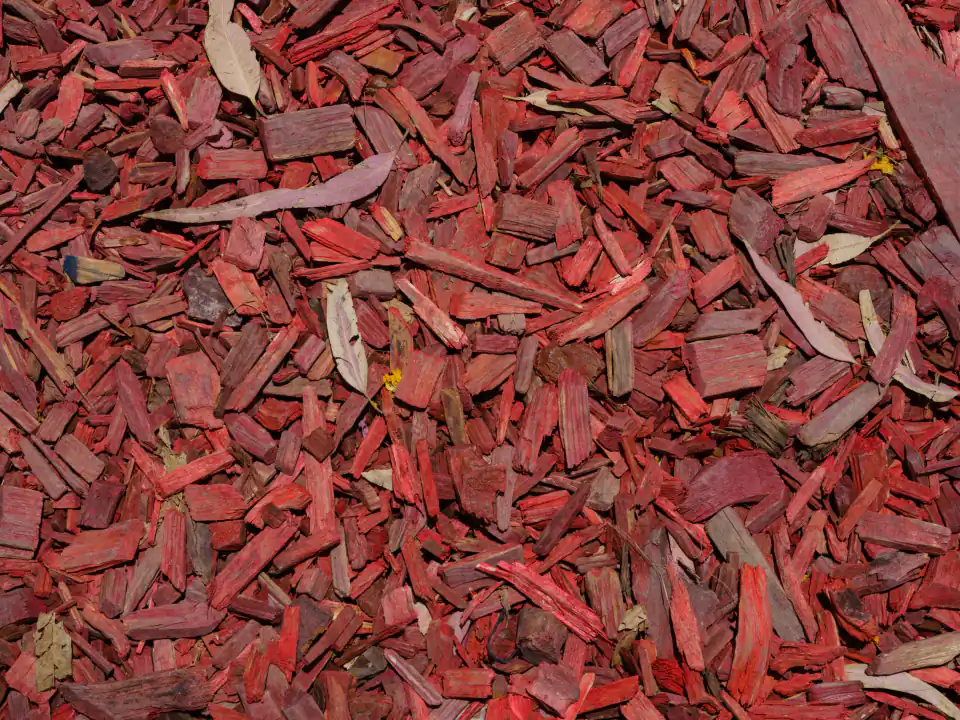
Dyed mulch is a color decision, not a quality grade, and the color goes in one season.
Soil first
Mulch on bad soil is a lid on bad soil. If a bed has never performed, amend it before you dress it.
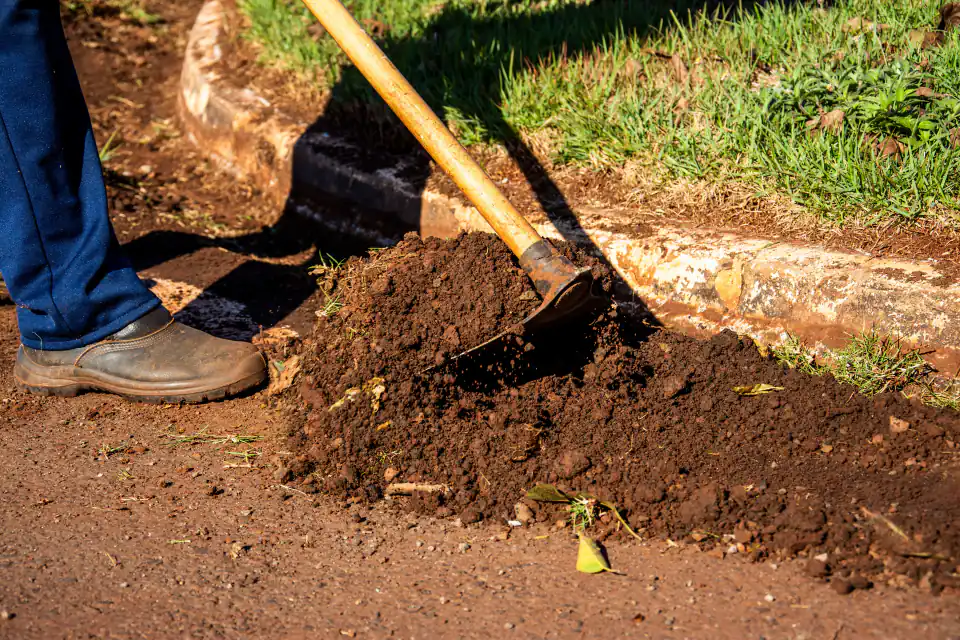
A cut edge between bed and lawn is what makes the mulch look deliberate, and it is the part people notice from the curb.
Common questions
Asked often enough to answer here.
How deep should mulch be?
Why is mulch piled against a tree trunk bad?
Is dyed mulch bad for plants?
More guides
Other things worth knowing.
Planning a project? Tell us about it and we will come and look.
Request a quote