Home / Guides / Hardscapes and walkways
Patios, walkways and the base nobody sees
Ninety percent of a paved surface failing is the base. The stone you chose is the part people talk about and the part that matters least.
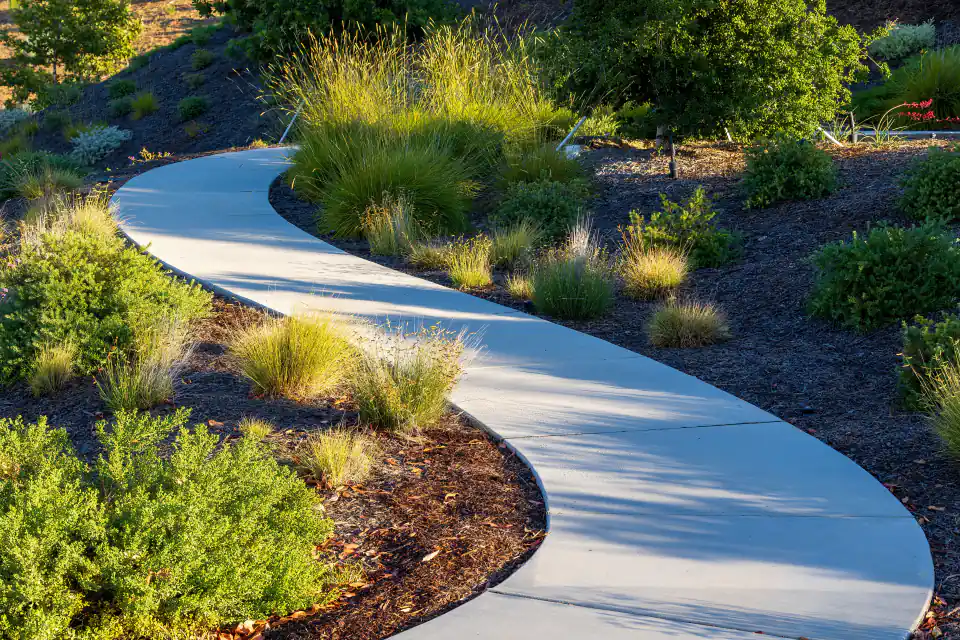
Base, then edge, then paving
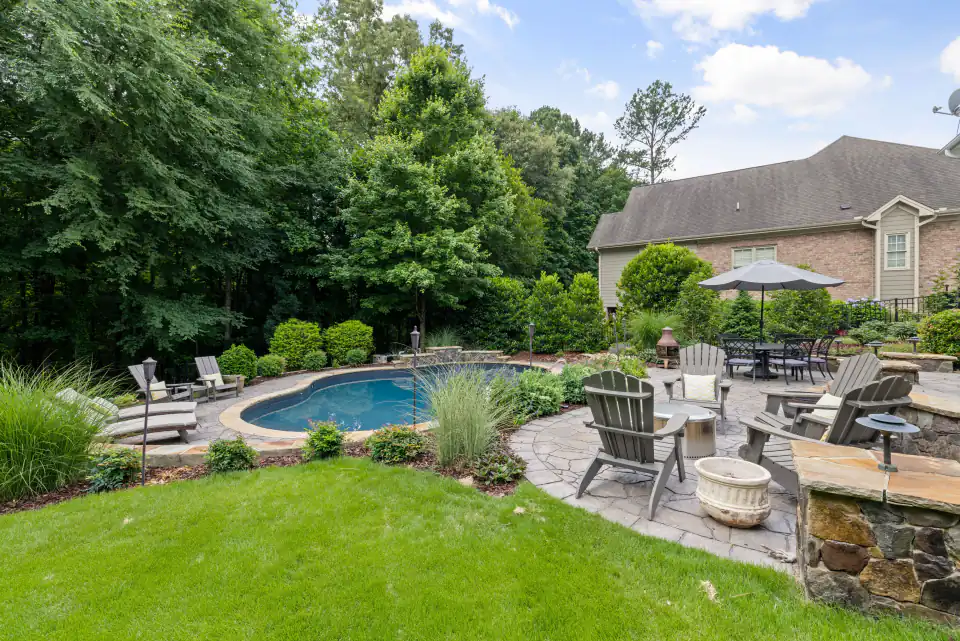
Compacted aggregate base, properly deep for the use and the soil, is what stops settlement. On Piedmont clay that means more base than a sand bed over subsoil, which is what failed patios usually turn out to be.
Edge restraint is what stops the outer course walking outwards over a decade. Without it a patio slowly becomes wider and lower at the edges.
Width, and the mistake everyone makes
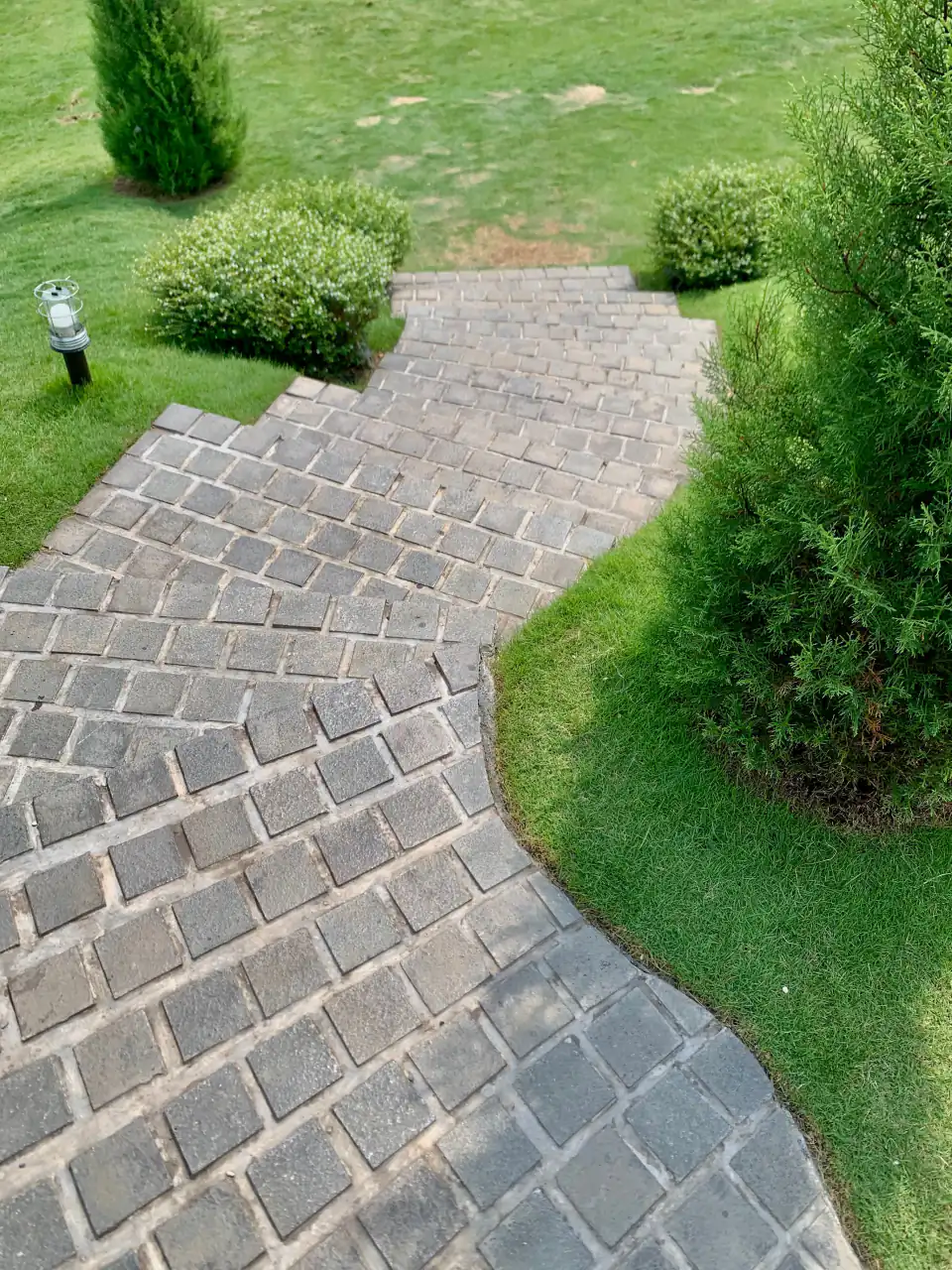
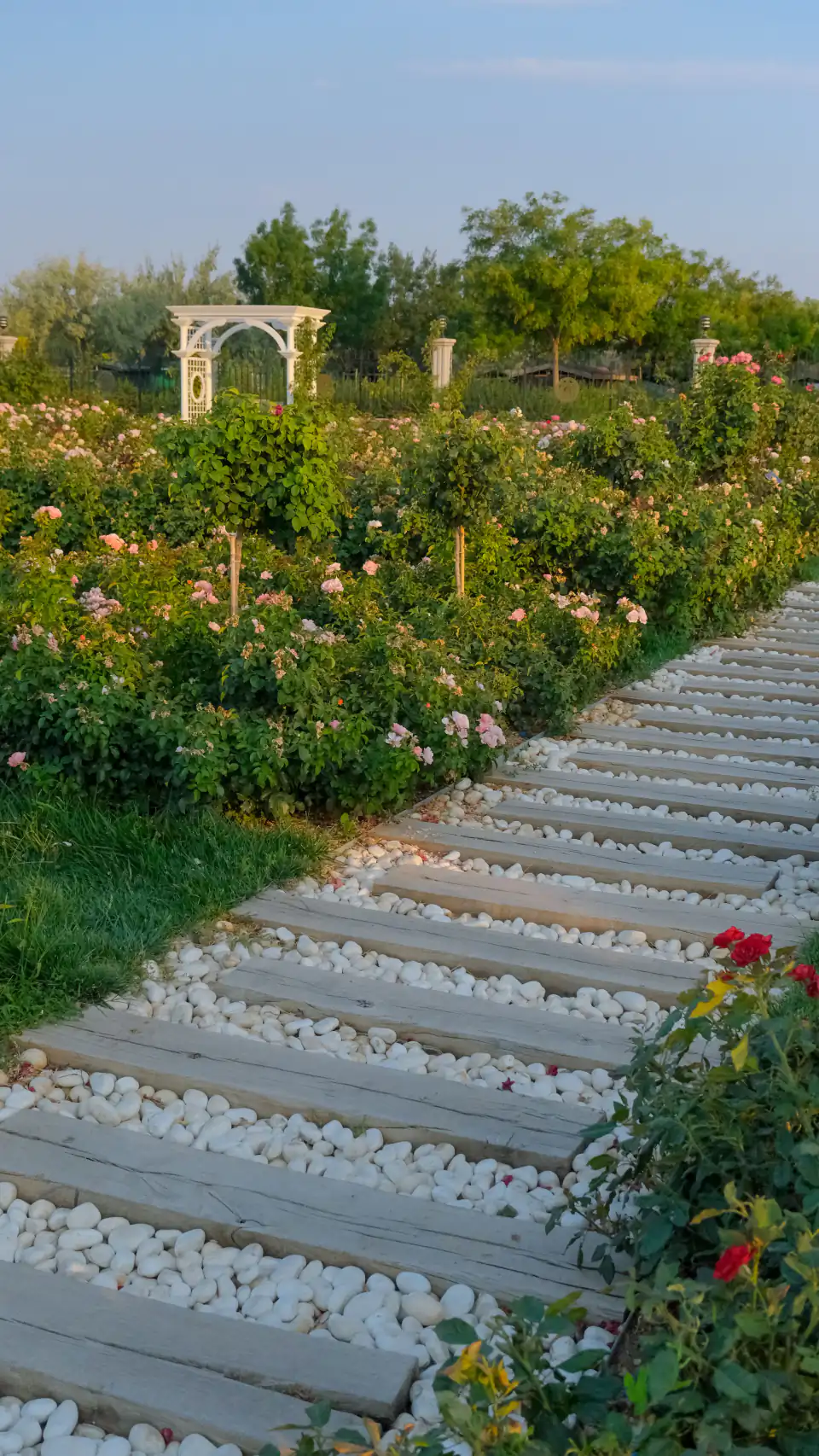
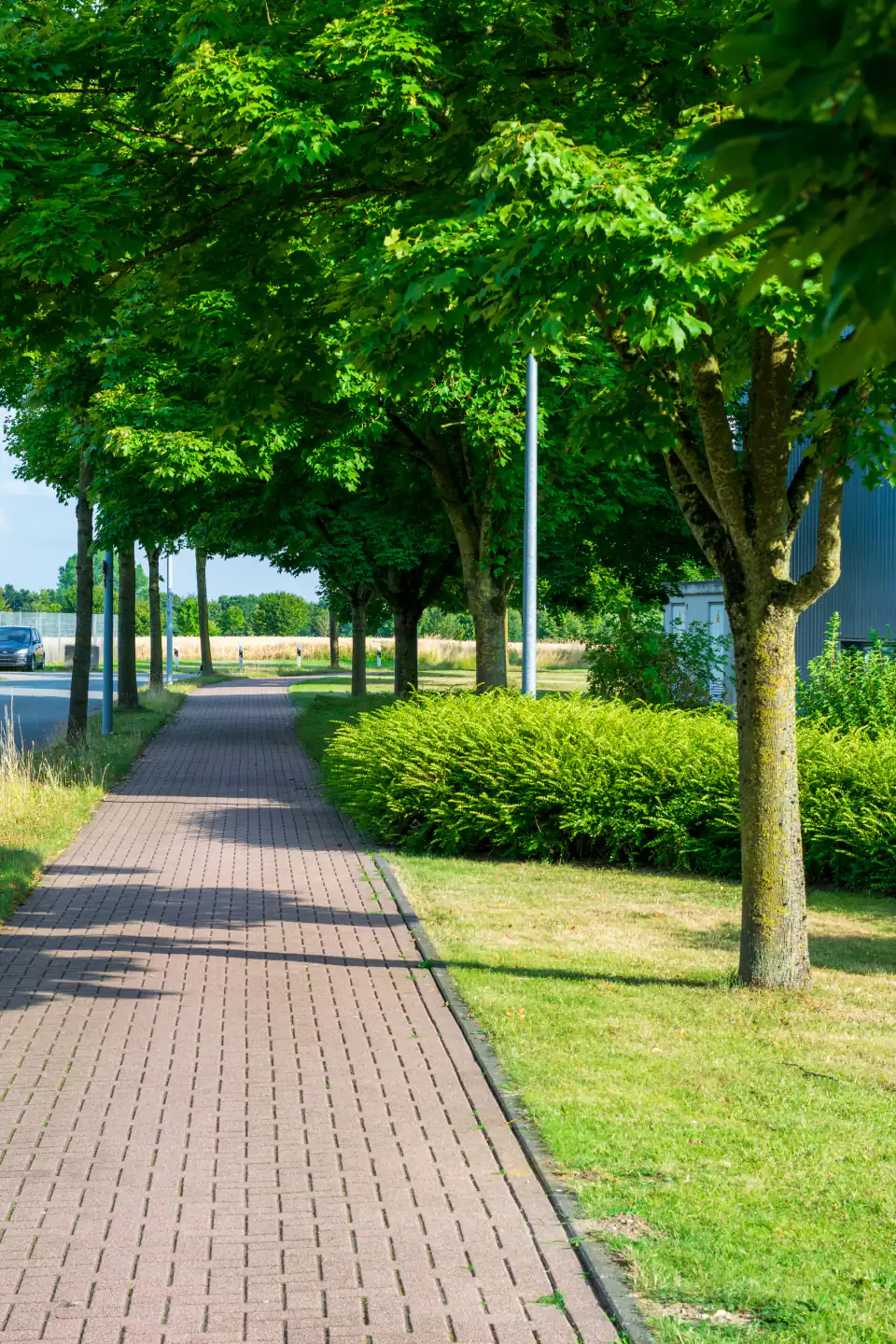
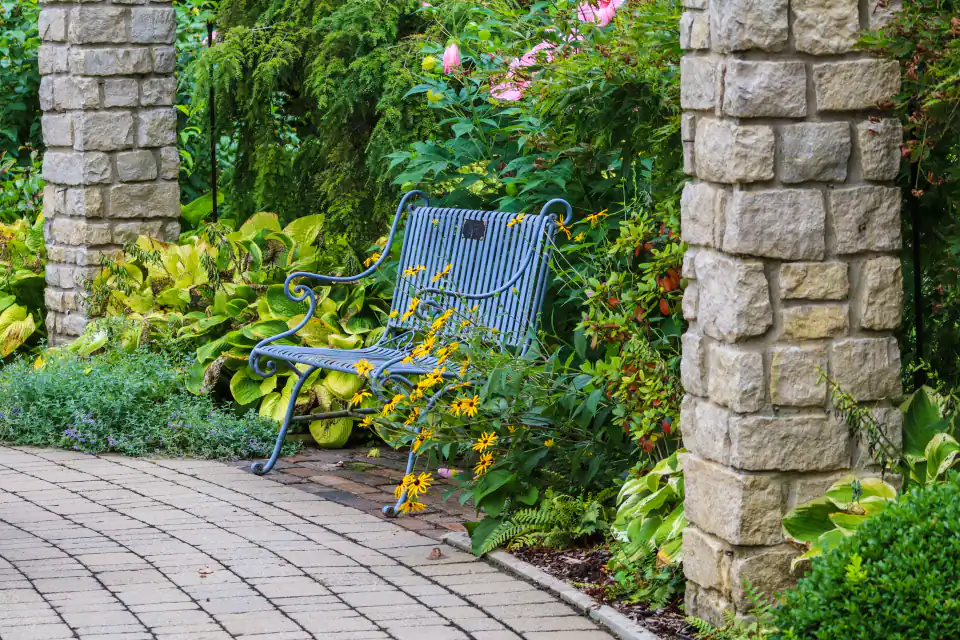
A path two people can walk side by side is about five feet. Narrower than three feet and it becomes decoration that people step off.
Curves cost more in cuts and are worth it everywhere except a genuine straight desire line. Making a path curve for its own sake looks like exactly what it is.
Where hard surfaces meet soft
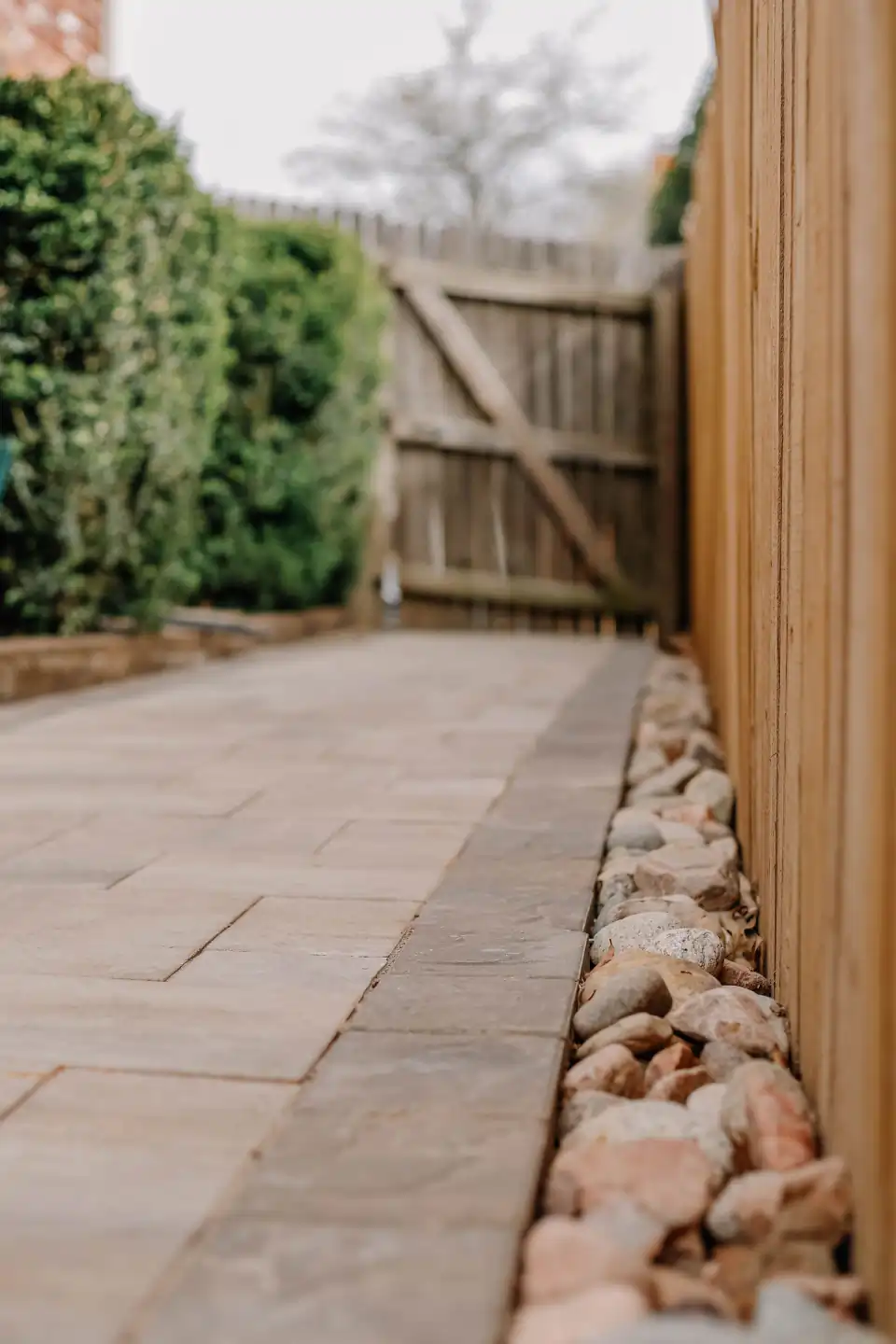
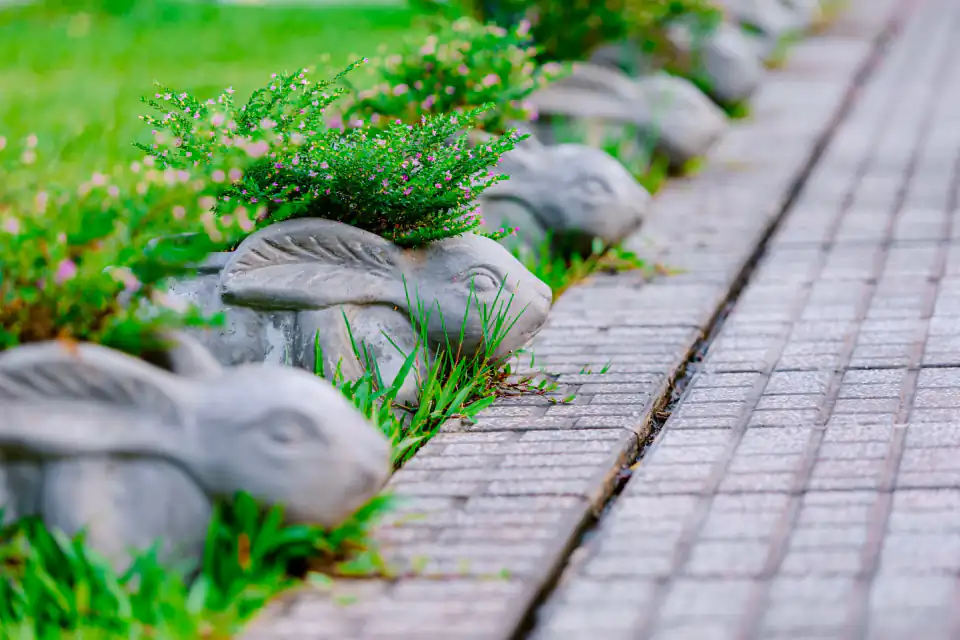
The junction between paving and planting is where maintenance either becomes easy or becomes permanent. A stone strip between paving and fence gives a trimmer somewhere to run and keeps timber out of the wet.
A cut trench edge between bed and lawn does more for how a property reads than anything you plant in the bed.
Stone gardens and the low-maintenance myth
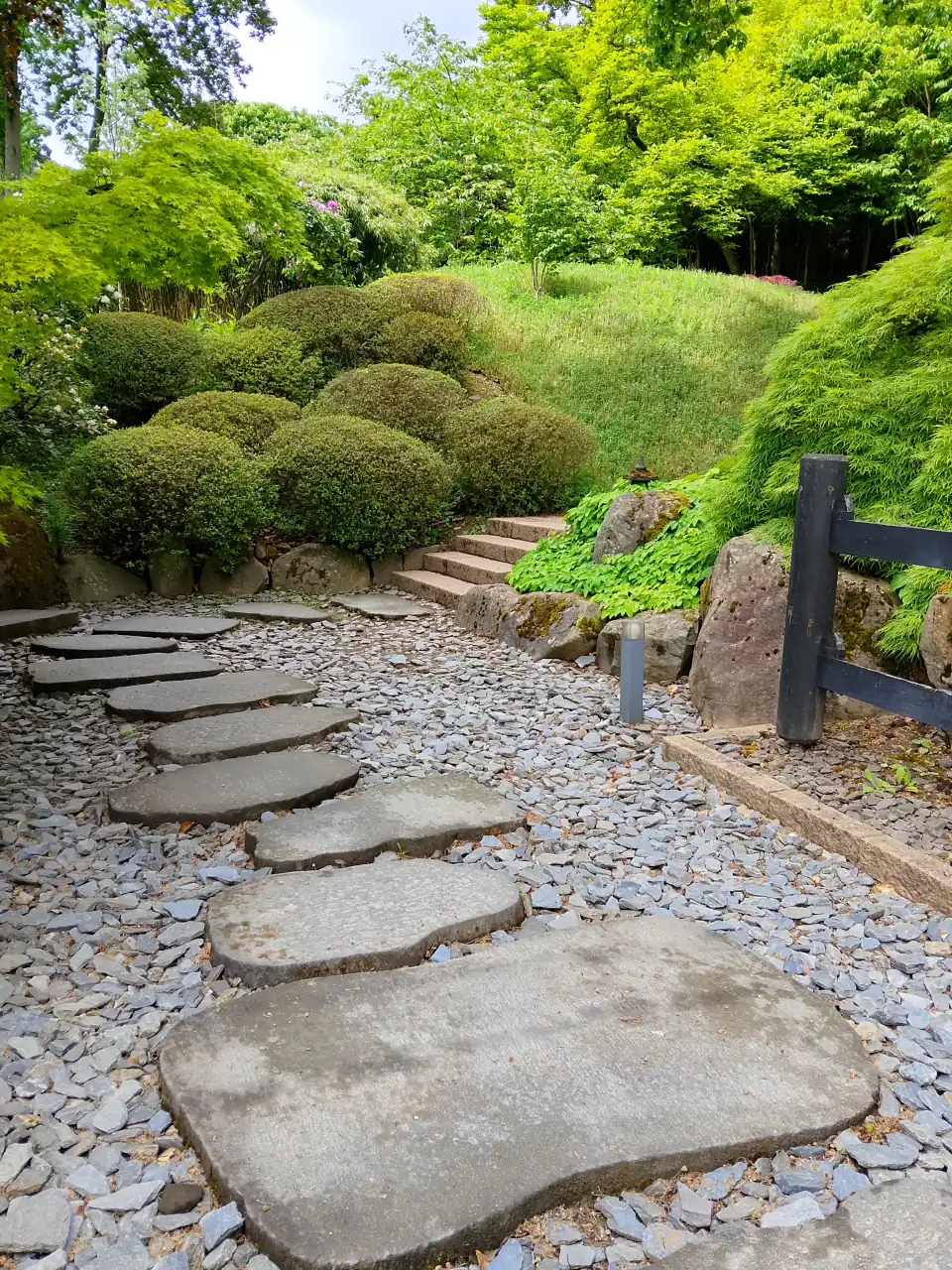
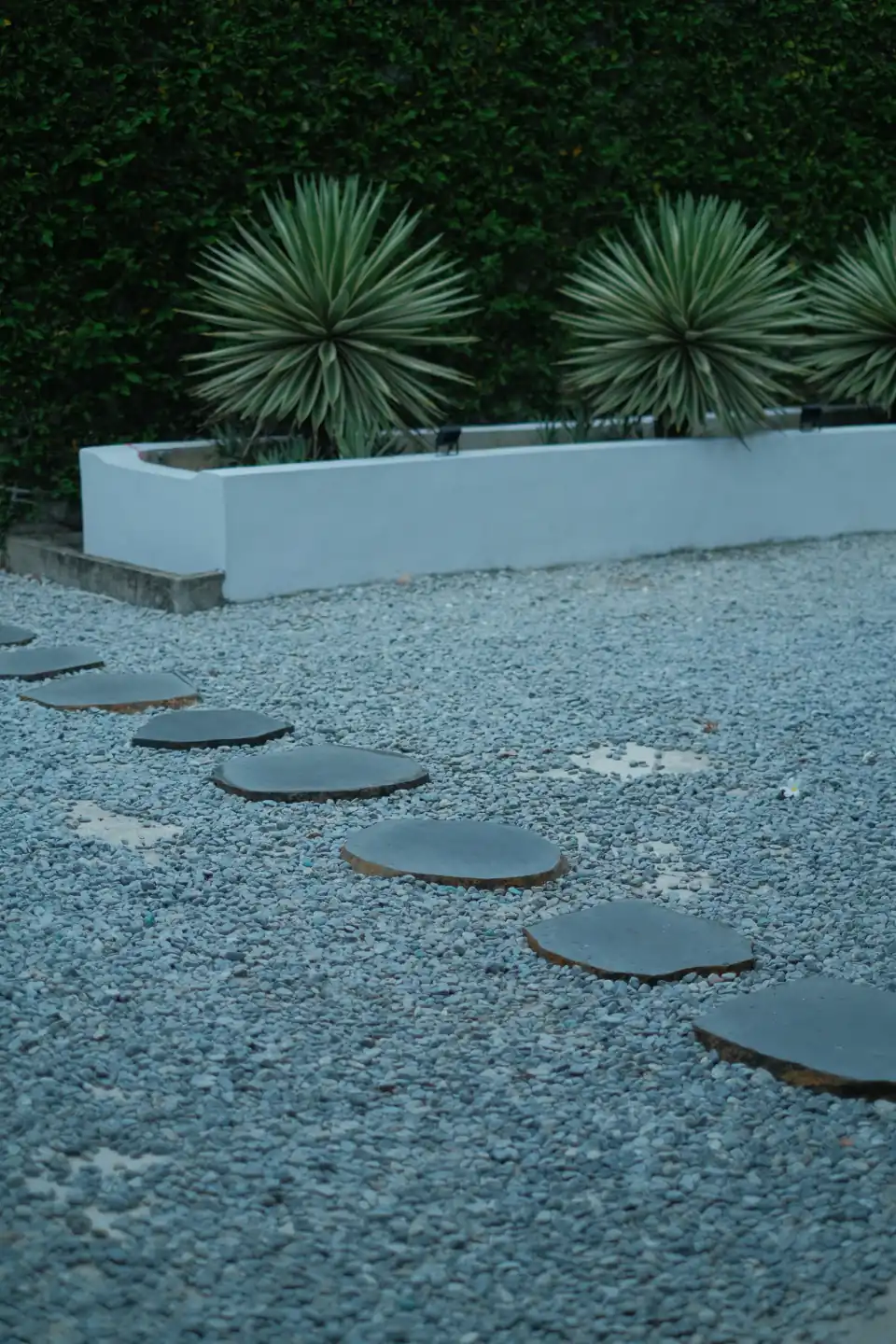
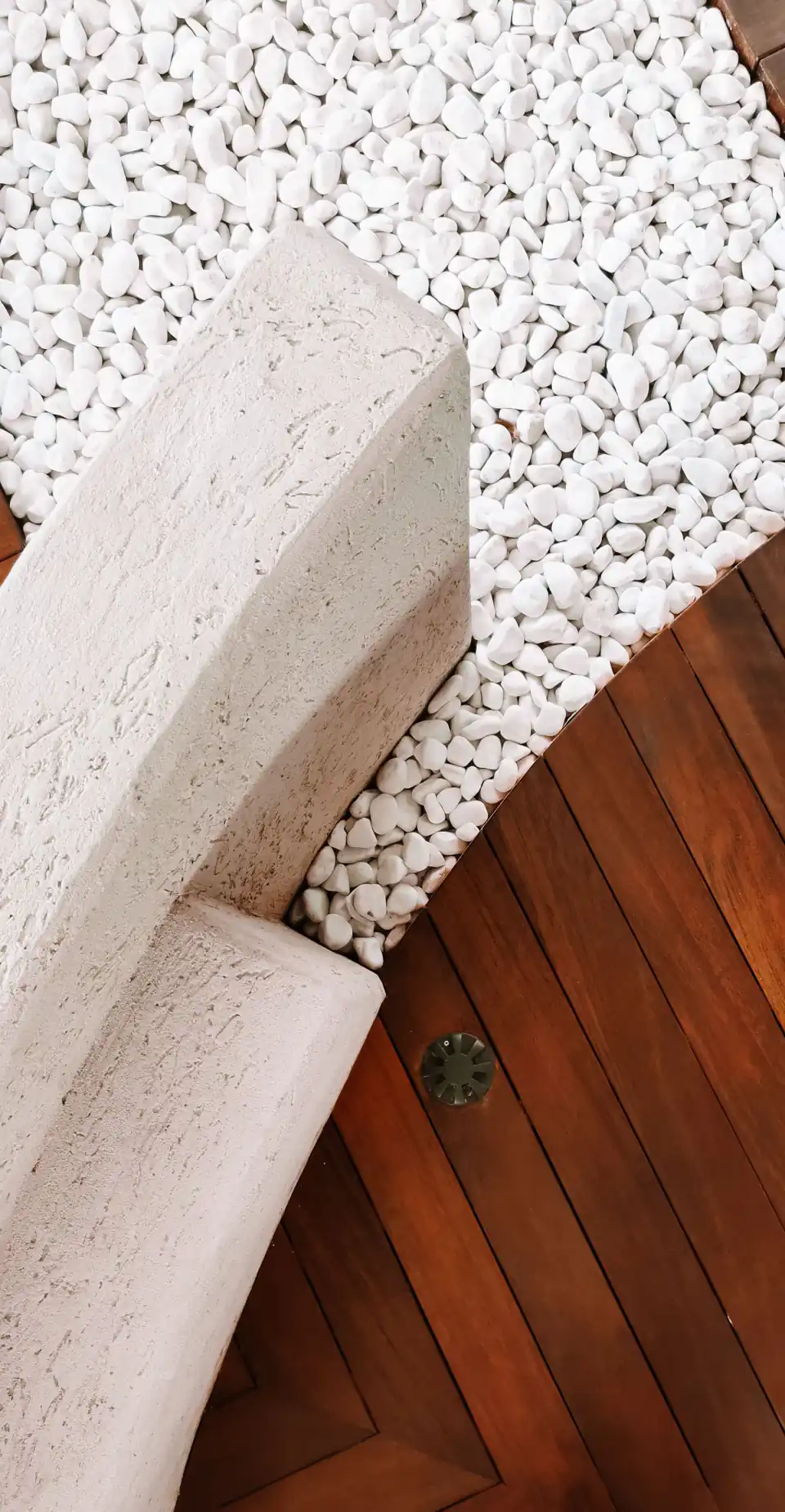
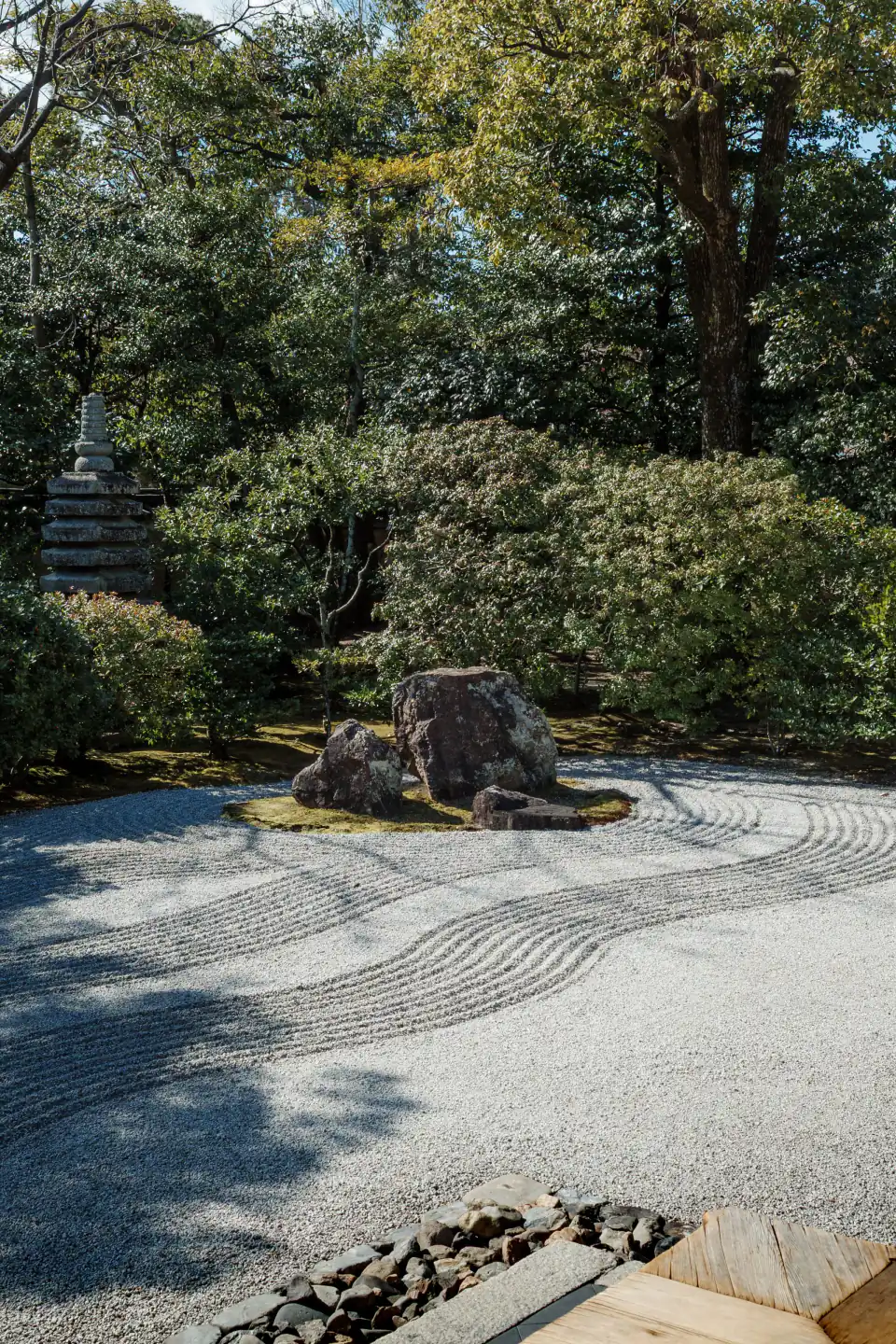
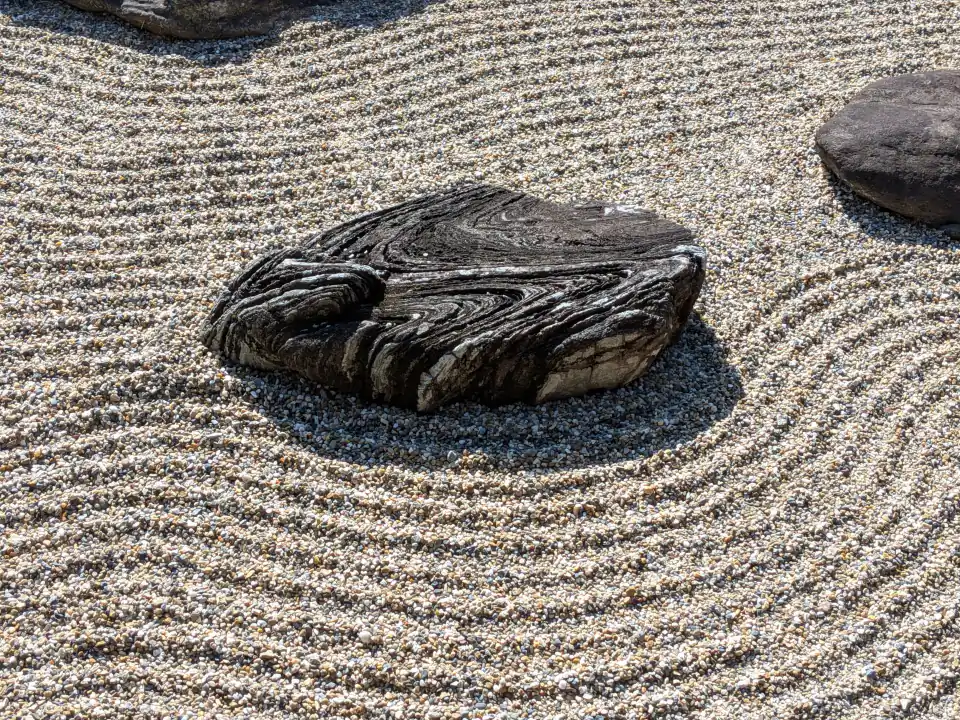
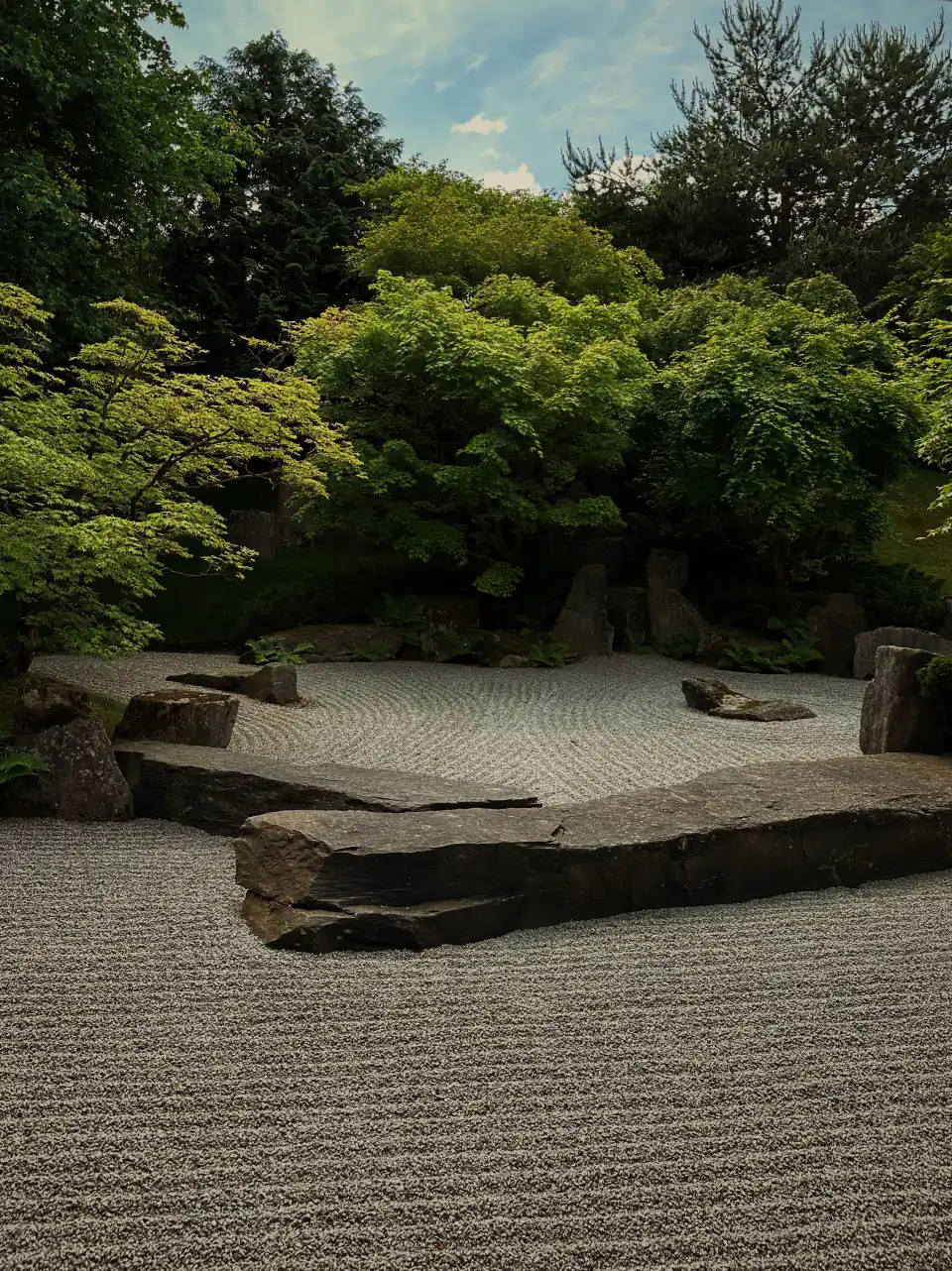
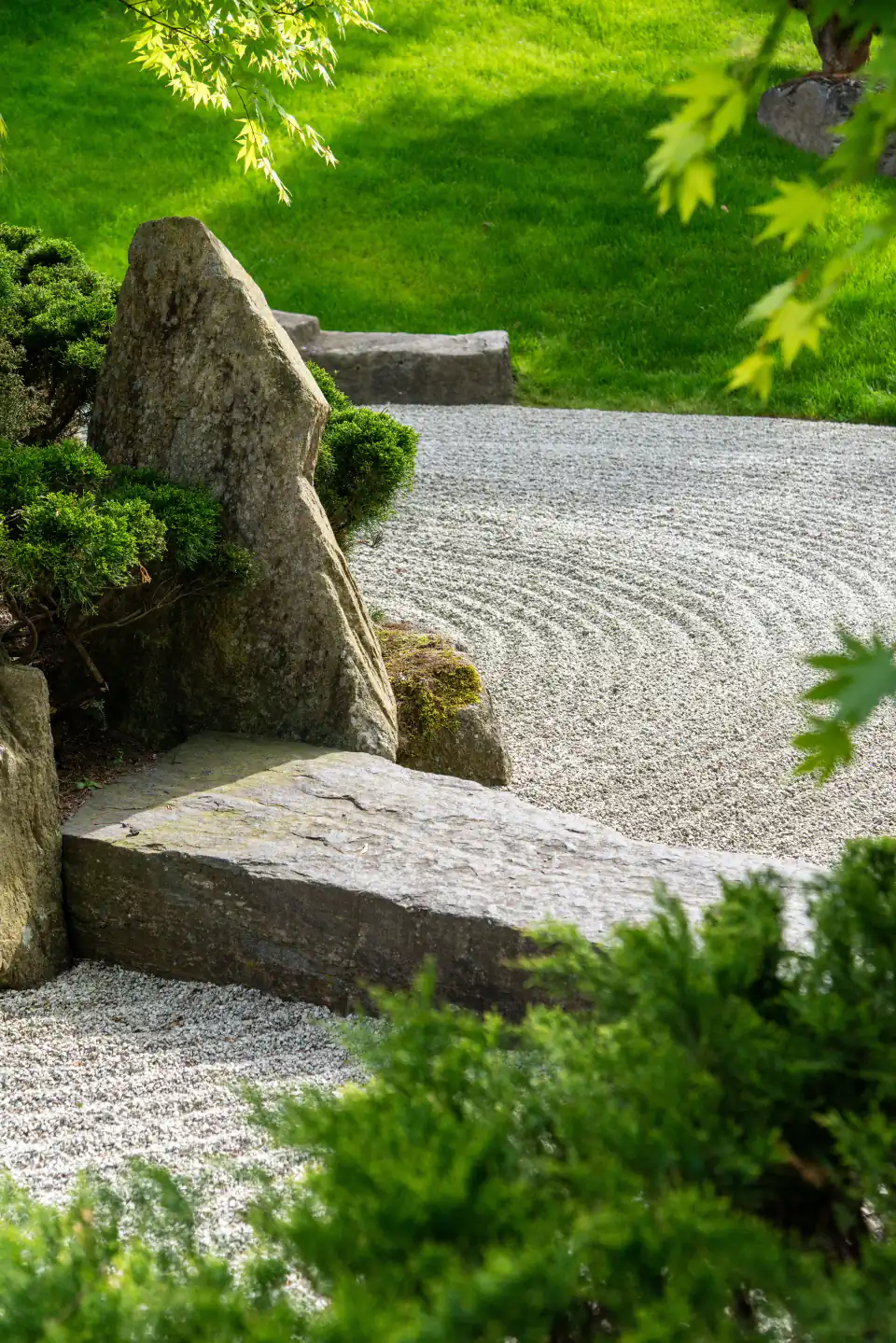
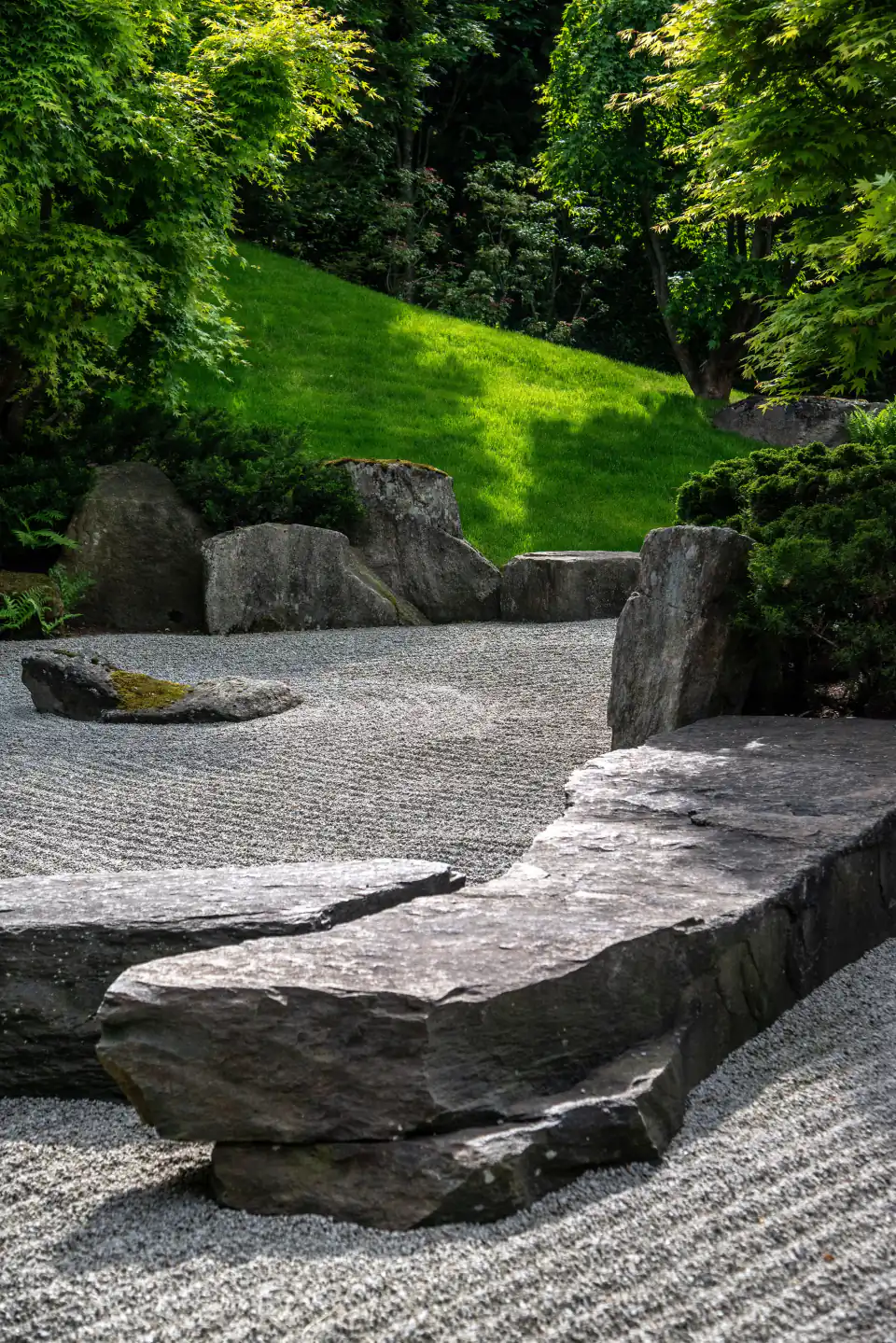
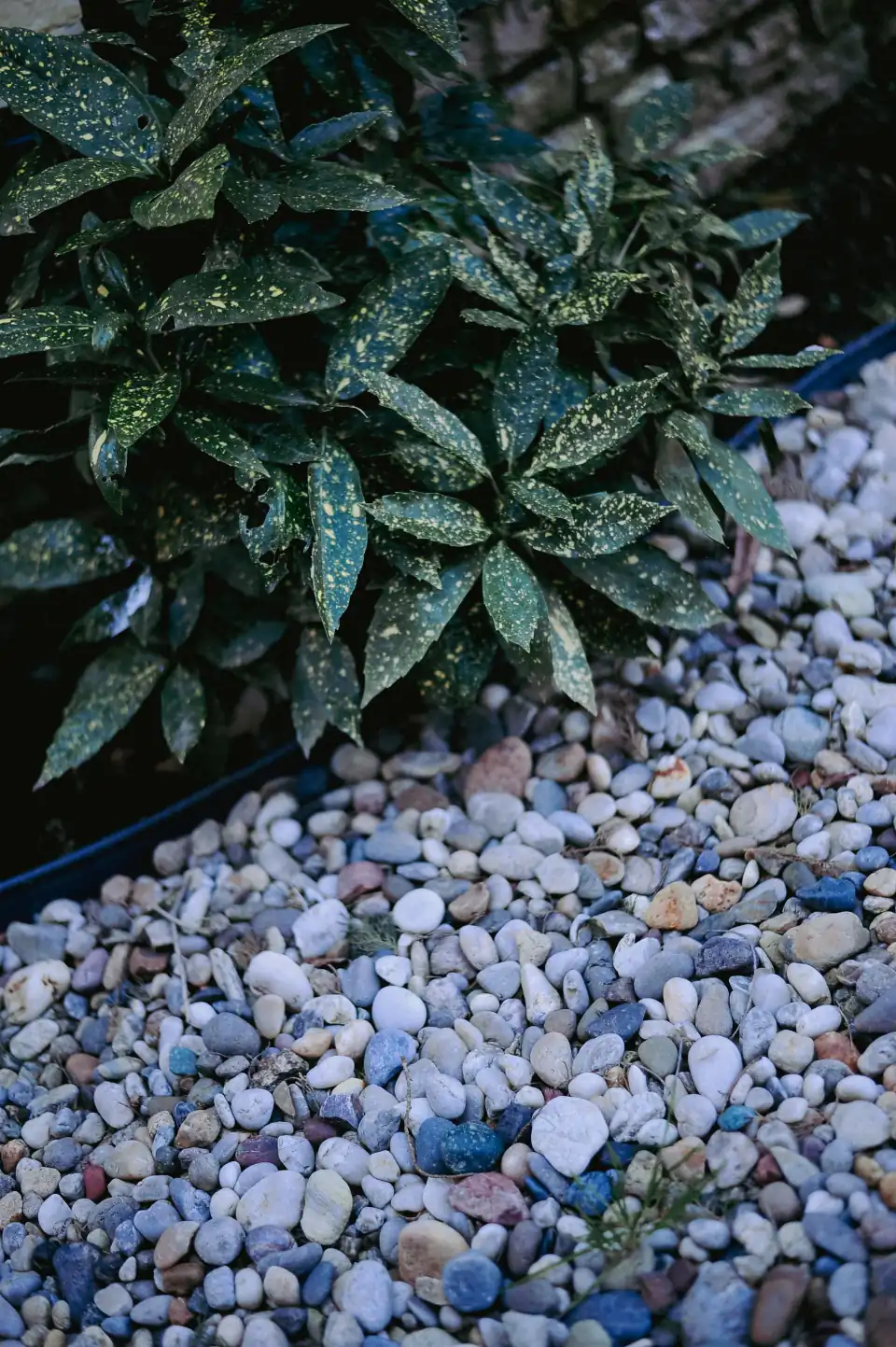
Gravel gardens are low maintenance, not no maintenance. Leaves still land in them and have to be blown out, and weed seed still germinates in the dust that collects between stones.
What they do buy is a surface that looks finished from the first day and does not need mowing.
Common questions
Asked often enough to answer here.
Why do paver patios sink?
How wide should a garden path be?
Are gravel beds really low maintenance?
More guides
Other things worth knowing.
Planning a project? Tell us about it and we will come and look.
Request a quote