Weed control: prevention, then density, then spraying
Spraying is the third line of defense and the one everyone starts with. A dense lawn and a well-timed pre-emergent do more than any amount of post-emergent work.
Density is the real control
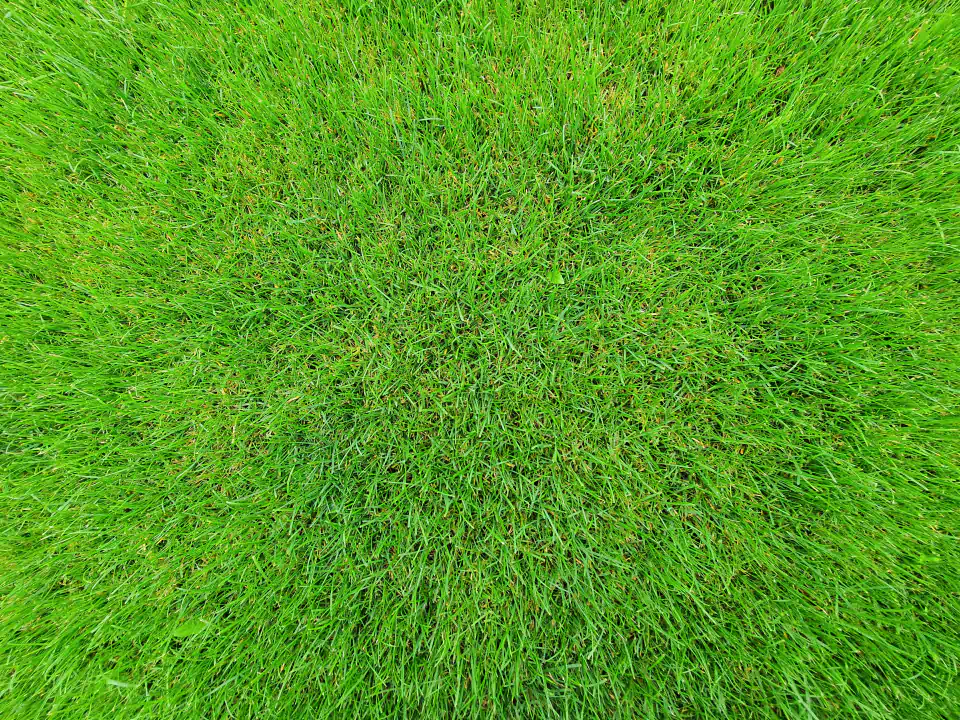
Weeds colonize bare ground. A thick lawn leaves none, which is why aeration, overseeding and a correct cut height do more for weed pressure than herbicide does.
Cutting too short is the most common self-inflicted weed problem: it thins the stand and opens the soil to light, which is exactly what crabgrass seed is waiting for.
Timing beats product
Pre-emergent before germination, in late winter, and again in autumn for winter annuals. After the weeds are up a pre-emergent does nothing for them.
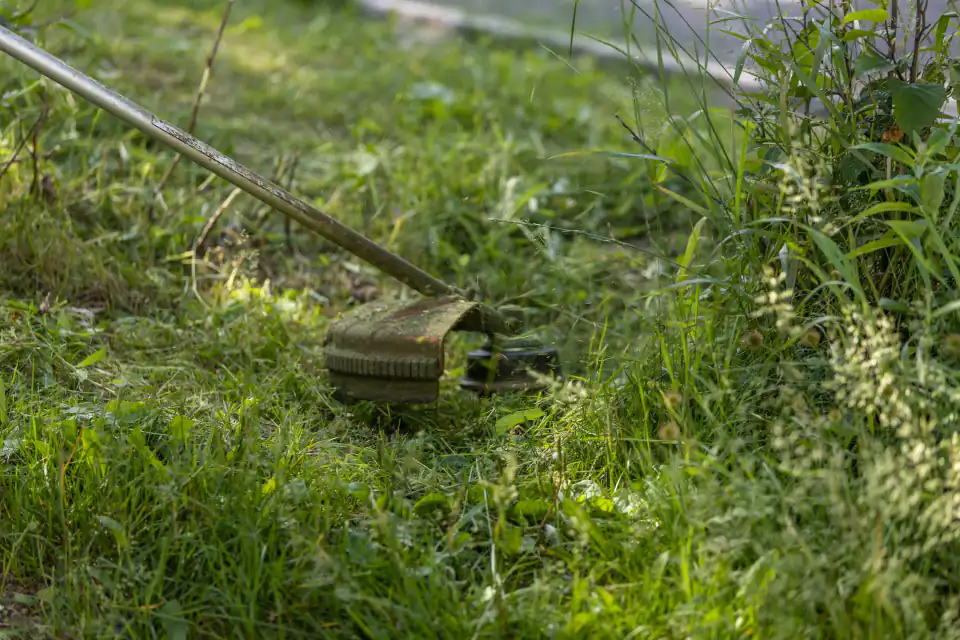
When a lawn has got away entirely, the first cut is two cuts a week apart. Taking it down in one go removes far more than a third of the blade and shocks what is left.
Common questions
Asked often enough to answer here.
When is it too late for pre-emergent?
Why do I keep getting crabgrass?
More guides
Other things worth knowing.
Planning a project? Tell us about it and we will come and look.
Request a quote